Home / Health / Michigan Schools Face Funding Gap for Lifesaving AEDs
Michigan Schools Face Funding Gap for Lifesaving AEDs
18 Feb
Summary
- Michigan law requires cardiac emergency plans, but lacks dedicated funding.
- AED devices cost $1,400 to $3,500, with no state funds allocated.
- Advocates push for $6 million to equip schools and train staff.
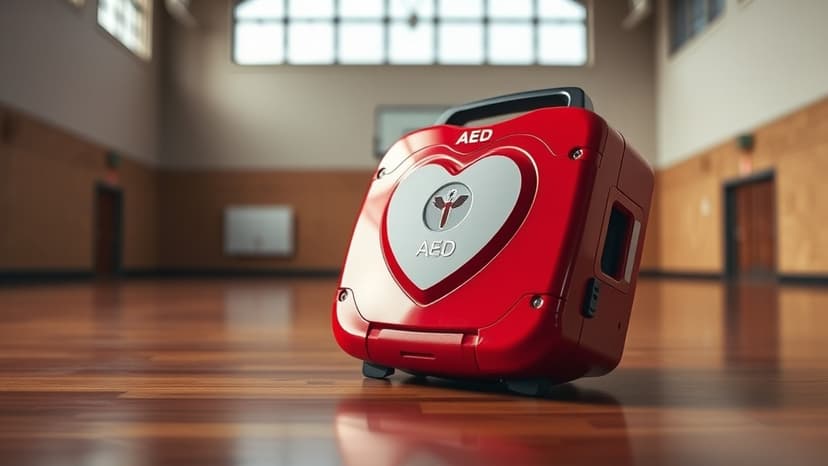
A 2024 Michigan law requires schools to implement cardiac emergency response plans, but funding remains a significant hurdle. This legislation, intended to enhance student safety, has stalled due to a lack of dedicated state appropriations. While the law mandates plans, its enforcement is contingent on sufficient funding, which was not included in the recent state education budget. AED devices, critical for immediate intervention during cardiac arrest, can cost between $1,400 and $3,500, presenting a financial challenge for many districts.
Advocates emphasize the urgency, noting that quick action with CPR and AEDs can be life-saving, as demonstrated by Emily Orta's experience. Despite the legislative push, funding for AEDs, staff training, and emergency drills was omitted from the budget due to competing priorities. Organizations like the American Heart Association are lobbying for a $6 million allocation to procure AEDs and implement necessary training, aiming to move from policy to real-world preparedness.
Currently, only a fraction of Michigan schools hold the "HeartSafe" designation, indicating a need for broader implementation of emergency preparedness. The state's survival rate for out-of-hospital cardiac arrests is 9%, a figure that significantly improves with prompt bystander CPR and AED use. With an estimated 15,000 to 23,000 pediatric out-of-hospital cardiac arrests annually in the U.S., ensuring schools are equipped and staff are trained is paramount for student well-being.