Home / Health / Methylene Blue: From Dye to Dangerous Biohack?
Methylene Blue: From Dye to Dangerous Biohack?
15 Dec
Summary
- Online influencers promote methylene blue for alleged wellness benefits.
- Early research shows potential cellular energy benefits in lab studies.
- Serious risks include serotonin toxicity and genetic disorder dangers.
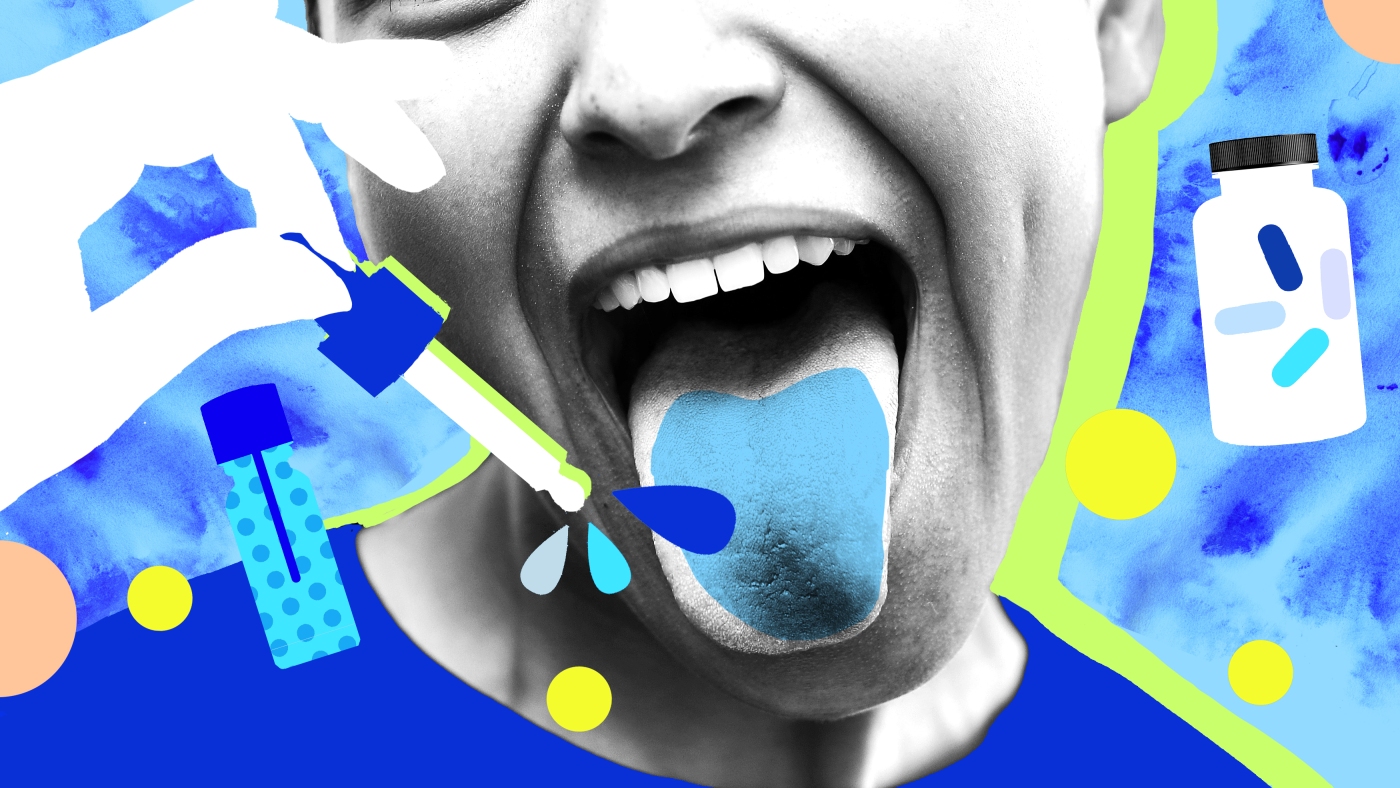
Methylene blue, a compound with a history as a textile dye and medical treatment, is now being promoted by online influencers and biohackers for purported wellness benefits. Proponents claim it enhances mitochondrial function, leading to advantages like slower aging, improved mood, and sharper cognition, with some even suggesting it alleviates jet lag.
Scientific evidence supporting these claims is still developing. While lab and animal studies indicate methylene blue may help cells produce energy more efficiently and offer neuroprotective effects, human trials are limited and preliminary. Experts like Lorne Hofseth caution that risks currently overshadow benefits for supplement users, despite promising research on modified forms for Alzheimer's treatment.
Concerns also surround the unregulated nature of supplements. Experts warn of severe adverse effects such as serotonin toxicity, particularly for individuals on certain antidepressants, and risks for those with glucose-6-phosphate dehydrogenase deficiency. The U.S. Food and Drug Administration's limited oversight of supplements means consumers may not know the true content or safety of products, underscoring a 'buyer beware' approach.