Home / Health / Men's Eating Disorders: The Hidden Crisis
Men's Eating Disorders: The Hidden Crisis
28 Mar
Summary
- Around one in four people with eating disorders are male.
- James Roffey battled anorexia and bulimia for a decade.
- Stigma and lack of gender-sensitive care hinder male recovery.
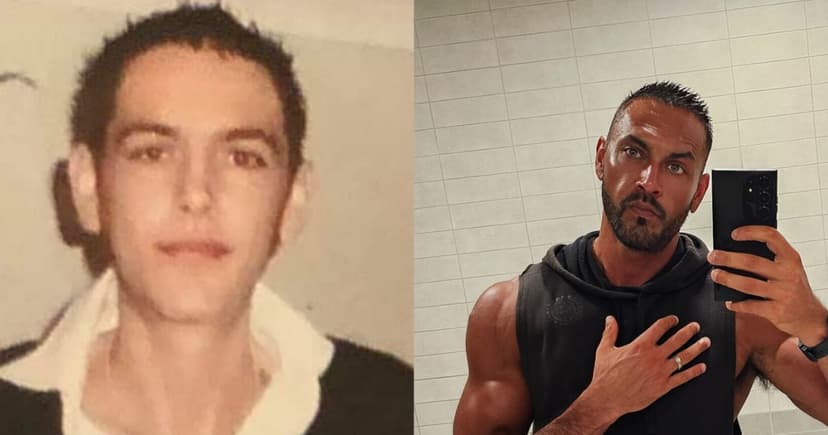
Eating disorders are a significant issue for men in the UK, with approximately one in four individuals affected being male. Despite this reality, persistent stigma and outdated stereotypes contribute to a hidden crisis, leaving many men feeling unseen and unsupported. This struggle was personal for James Roffey, who from Maidstone, battled anorexia and bulimia for a decade, beginning at age 17.
His experience was marked by isolation and secrecy, with his world shrinking as his illness progressed. At 22, he sought treatment but found the facilities were not equipped for male residents, receiving only day care. This lack of comprehensive support underscored the systemic issues men face in accessing gender-sensitive care for eating disorders.
Experts emphasize that cultural expectations of masculinity, which promote strength and control, can delay diagnosis and prevent men from seeking help. Behavioral health expert Michael Banis highlights the necessity of medical treatment, mental health support, and programs tailored for men to overcome shame and secrecy. James Roffey now uses his experience to help others as a personal trainer in Sheffield.
James Roffey, now 37, has rebuilt his life and is dedicated to helping clients with mental health challenges, including eating disorders. He stresses that recovery is an ongoing process, managing triggers and leaning on support systems. His message to struggling men is one of perseverance: "Never give up the fight. If you still have that desire to change, there's enough in you to turn things around."


