

Home / Health / Meghalaya's ECD Model: A Blueprint for Early Learning
Meghalaya's ECD Model: A Blueprint for Early Learning
20 Apr
Summary
- Nearly 70% of children in LMICs can't read a simple text by age 10.
- Meghalaya's ECD model integrates health, nutrition, and early learning.
- Early interventions show the highest returns on investment across lifespans.
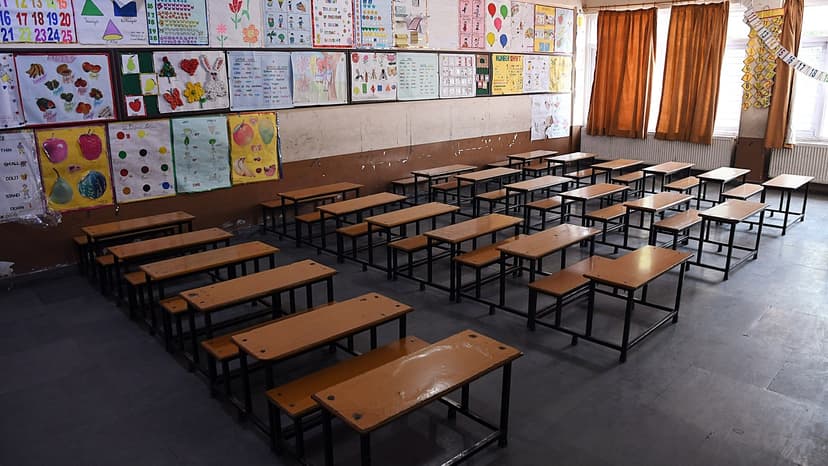
A profound crisis is affecting classrooms globally, with nearly 70 percent of children in low- and middle-income countries unable to read a simple text by age 10. This situation underscores systemic failures that extend beyond conventional schooling, emphasizing the critical role of early years in building foundational literacy. Meghalaya's Early Childhood Development (ECD) Mission provides an instructive model for addressing these challenges.
The state's ECD initiative tackles intersecting risks such as high maternal mortality and gaps in essential care. Recognizing that brain development is most rapid in the first five years, the model integrates health, nutrition, and early learning services. This approach is designed to improve long-term human-capital outcomes by ensuring timely, culturally sensitive, and scalable early interventions.
Meghalaya's Guide for Monitoring Child Development utilizes trained frontline workers to assess children aged 1-42 months through caregiver dialogue, identifying developmental delays. Preliminary data shows over 80 percent of assessed children have no visible delay, with a small percentage requiring follow-up. This method decentralizes implementation, empowering local workers and communities.
This integrated strategy embeds neuroscience evidence into service delivery, reinforcing health, nutrition, and early learning systems. By prioritizing early, coordinated action, Meghalaya's ECD model demonstrates a powerful pathway to strengthening human capital and fostering equitable development from the earliest stages of life.
