Home / Health / Meat May Boost Longevity for Some Seniors
Meat May Boost Longevity for Some Seniors
20 Mar
Summary
- Vegetarian diets linked to lower centenarian rates in underweight older adults.
- Meat consumption showed a 44% higher likelihood of reaching 100 for underweight seniors.
- Findings are specific to older, underweight individuals; not a replacement for guidelines.
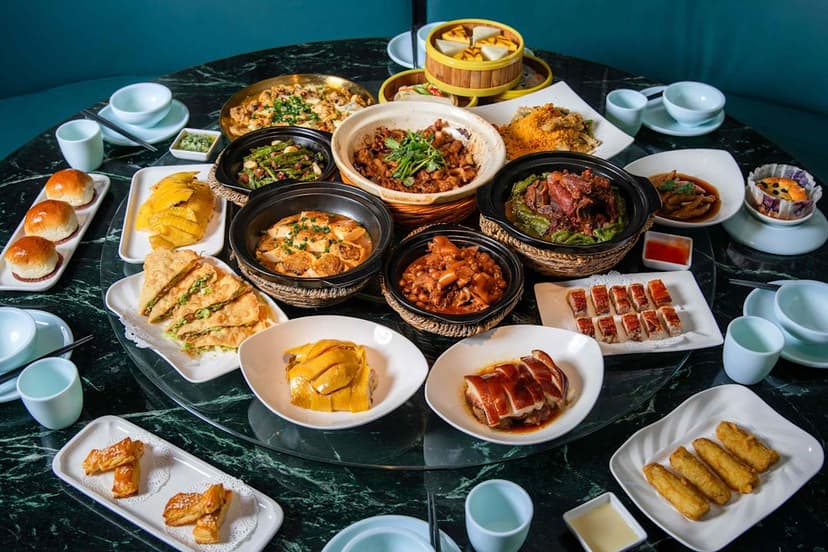
A 2026 study exploring vegetarian diets among Chinese adults aged 80 and older revealed a surprising link between meat consumption and longevity for a specific demographic. Researchers found that underweight participants (BMI <18.5) following a vegetarian diet were significantly less likely to reach 100 than their underweight omnivore counterparts.
The study indicated that underweight older adults who consumed meat daily had a 44% increased likelihood of becoming centenarians compared to underweight vegetarians. This association was particularly pronounced among vegans, who showed a significantly lower chance of reaching 100 than underweight omnivores.
Experts emphasize that these findings are exclusive to older, underweight individuals and do not supersede current dietary advice. Nutrition recommendations should be individualized, as the benefits observed were not significant for participants with normal or higher body weight. The study did not differentiate between types of meat or measure total protein intake.
Meat is a rich source of high-quality protein and essential nutrients like B12, iron, and zinc, which are crucial for maintaining muscle mass and supporting metabolic health, especially in aging populations. Adequate protein intake may help prevent age-related muscle loss, a factor linked to mortality.
While the study grouped all animal proteins as "meat," existing research favors lean meat, poultry, and fish over unprocessed red or processed meats for better health outcomes. Healthier preparation methods like slow cooking and braising are recommended over high-temperature cooking to avoid harmful compounds. Moderation remains key, with recommendations for approximately 25 to 30 grams of high-quality protein per meal.