Home / Health / Face Masks May Shield Hearts From Air Pollution
Face Masks May Shield Hearts From Air Pollution
3 Mar
Summary
- Face masks may reduce heart attack risk linked to air pollution.
- MINOCA heart attacks show strong association with PM2.5 air particles.
- Masks halved inhaled particle amounts entering the blood.
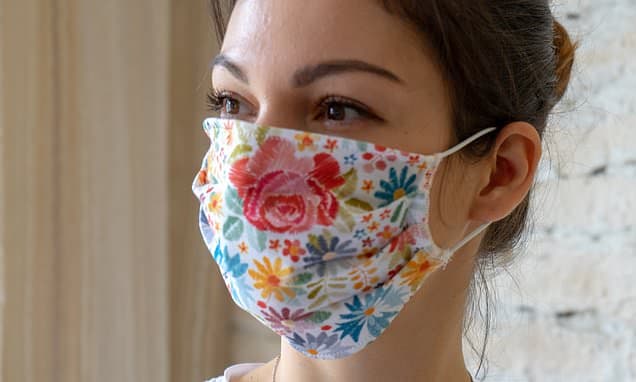
Research from Japan suggests that wearing face masks could offer protection for the heart against air pollution. Scientists analyzed data from over a quarter-million patients hospitalized for heart attacks between 2012 and 2022.
They found that short-term exposure to PM2.5, a type of air particle, significantly raised the risk of all heart attacks. This association was particularly strong for MINOCA, a heart attack subtype occurring without major coronary artery blockages.
Following the onset of the Covid-19 pandemic, the study observed a decline in PM2.5-related MINOCA risks in Japan. Researchers believe this reduction is attributable to the consistent mask-wearing practices adopted across the country.
Additional research supports these findings, showing that wearing FFP2 masks can effectively reduce the amount of inhaled pollution particles that enter the bloodstream. Experts recommend mask usage in highly polluted areas, such as roadsides or on public transport.
While long-term improvements in air quality are crucial for reducing cardiovascular risks, these findings highlight that simple measures like mask-wearing can provide immediate protective benefits against environmental health threats.