Home / Health / Malaria Fight Falters: Funding Drops, Resistance Grows
Malaria Fight Falters: Funding Drops, Resistance Grows
23 Jan
Summary
- Artemisinin resistance is a growing concern for malaria treatment.
- Funding for malaria programs has significantly decreased.
- Asia-Pacific region shows mixed progress in malaria elimination.
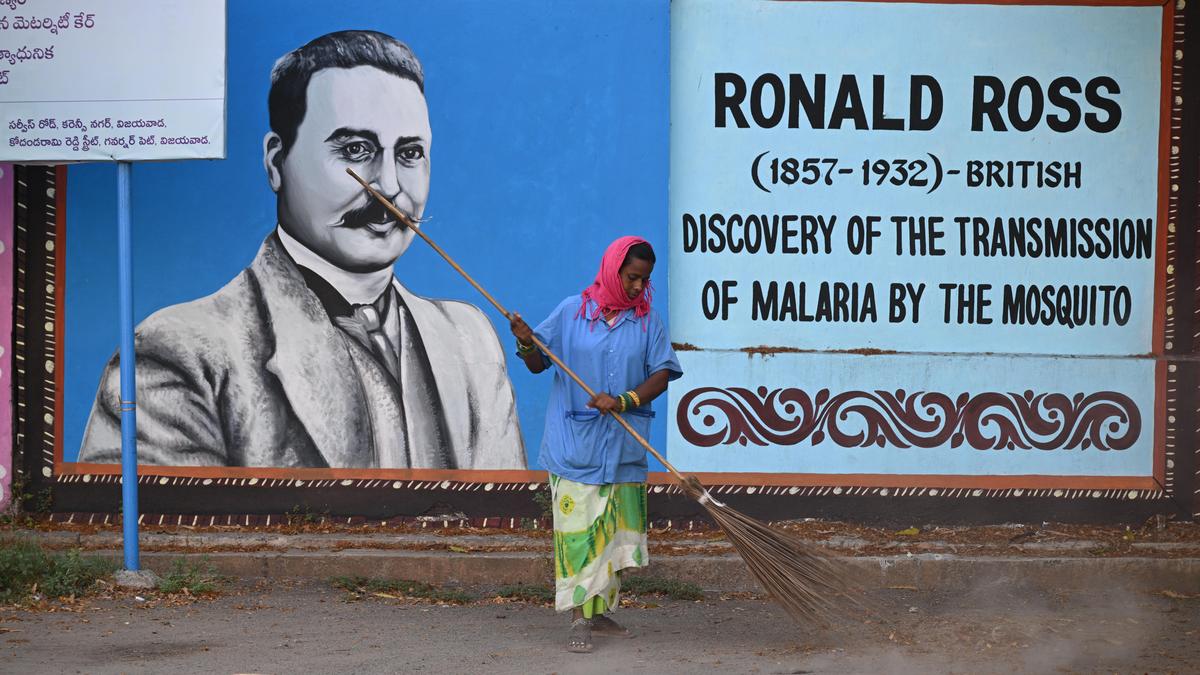
The World Malaria Report 2025 presents a mixed outlook five years before the 2030 elimination deadline. Although the Asia-Pacific region has seen a reduction in estimated malaria cases, a significant concern is the rise of artemisinin resistance, the frontline treatment. Funding for malaria programs has also seen a notable decline, jeopardizing efforts.
Progress across countries remains uneven. While Sri Lanka, China, and Timor-Leste have achieved malaria-free status, India faces a resurgence in some regions, moving it off its elimination trajectory. Experts highlight securing sustainable financing and ensuring last-mile execution in high-burden countries as major challenges. Only about 42% of global malaria financing needs were met in 2024, with further cuts in 2025 widening this gap.
Despite these challenges, India aims for zero indigenous malaria cases by 2027. Achieving this requires real-time, case-based surveillance, precise geographic elimination strategies, and restored financing continuity. The introduction of RTS,S and R21 vaccines offers a significant breakthrough, though their rollout in the Asia-Pacific is expected to be targeted.
Artemisinin resistance, which emerged in the Greater Mekong Subregion in the early 2000s, remains a serious threat. India is adopting a precautionary approach through regular studies and updated treatment policies. Protecting artemisinin efficacy is crucial, demanding coordinated regional action to prevent cross-border spread. Ultimately, dwindling financing is identified as the greatest threat, risking a reversal of hard-won gains unless zero cases are reached.