Home / Health / Malaria Drugs Failing? Africa Faces Urgent Health Crisis
Malaria Drugs Failing? Africa Faces Urgent Health Crisis
24 Jul
Summary
- Artemisinin resistance is a growing concern for millions globally.
- Africa faces a larger scale problem than Southeast Asia's past resistance.
- Surveillance for drug resistance in Africa is critically underfunded and patchy.
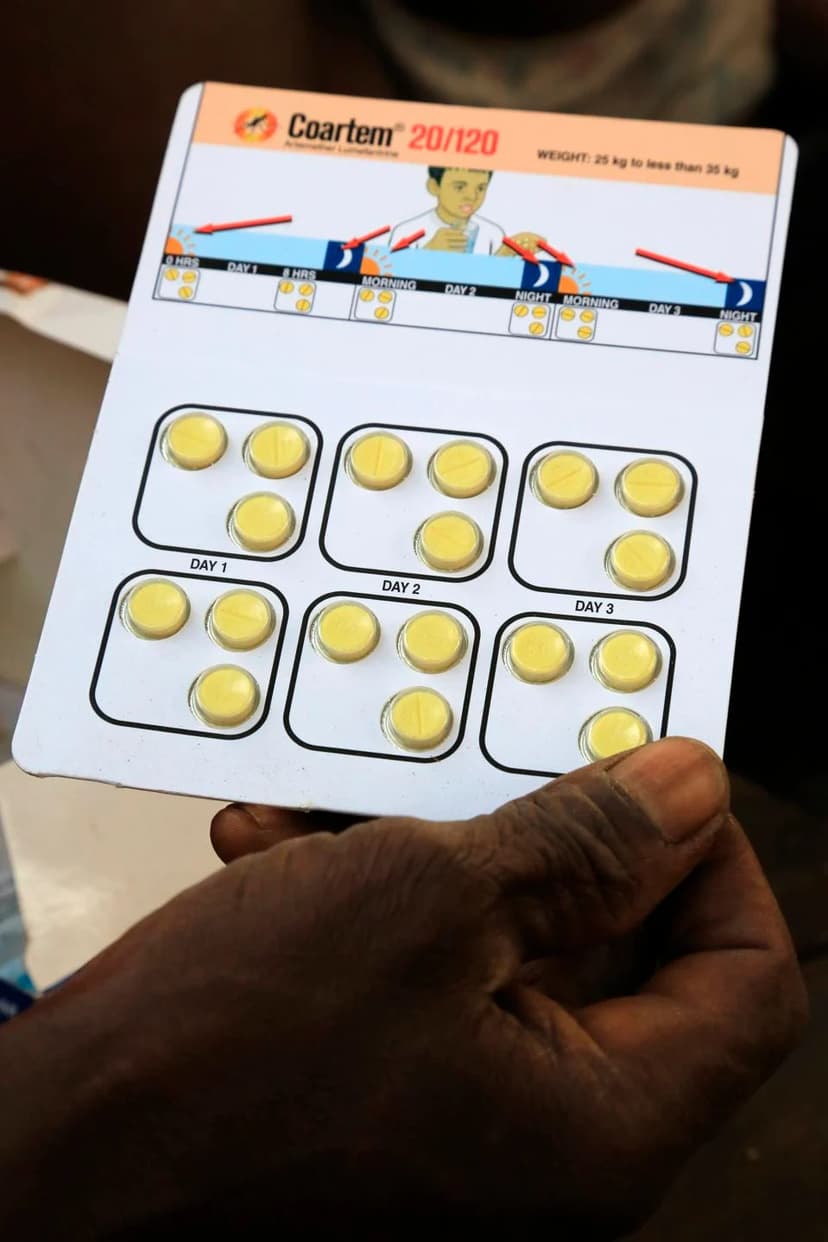
The gold standard for malaria treatment, artemisinin-based combination therapies (ACTs), faces a growing threat from parasite resistance. Previously, Southeast Asia combatted artemisinin resistance by intensifying patient management and drug combinations, a strategy unlikely to succeed against Africa's significantly larger malaria burden.
In Africa, artemisinin-resistant parasites emerged a decade ago, with Uganda currently facing the most severe challenge due to high parasite levels and malaria burden. Partial resistance is confirmed in Eritrea, Rwanda, and Tanzania, with ongoing concerns in West Africa.
Comprehensive surveillance is crucial but remains patchy across African nations. While some countries like Tanzania and Burkina Faso have robust molecular surveillance, many lack the systems to quickly report critical mutations. This limits the ability to detect resistance early, as seen in Burkina Faso where data from two-thirds of sentinel sites is missing.
Researchers are investigating the Kelch13 gene, which plays a role in parasite's ability to digest hemoglobin. Mutations in this gene appear to reduce the parasite's eating, paradoxically hindering artemisinin's effectiveness and complicating treatment.
Financial constraints pose a major barrier to effective surveillance and the rollout of multiple first-line therapies. Global funding for malaria is low, and African countries struggle with limited resources. Investing in African manufacturing of antimalarials could reduce costs, but current investment is insufficient.
Experts warn that underfunding surveillance is a false economy, with potential long-term economic losses estimated at $78 billion over 15 years in West Africa alone due to drug failure. Aid cuts have exacerbated this financial crunch, increasing the long-term costs of resistance amplification.
Given the slower, persistent nature of drug resistance compared to rapid crises like forest fires, continuous and proactive efforts are essential. The continent must prioritize resistance as an emergency situation to protect existing treatments and ensure the effectiveness of future antimalarial medicines.


