Home / Health / Malaria Parasites Evade Tests, Mosquitoes Resist Insecticides
Malaria Parasites Evade Tests, Mosquitoes Resist Insecticides
9 Apr
Summary
- Malaria cases rose to 282 million in 2026, with 610,000 deaths.
- Parasites with gene deletions undermine rapid diagnostic test reliability.
- Anopheles mosquitoes show resistance to common insecticides.
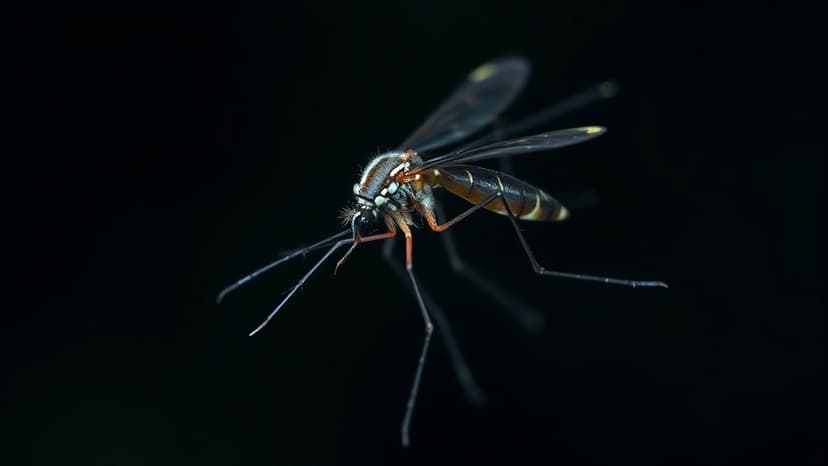
Malaria, a disease transmitted by mosquitoes and caused by Plasmodium parasites, saw a significant rise in cases and deaths in 2026. Approximately 282 million cases were reported globally, alongside 610,000 fatalities, indicating an upward trend from 2023.
WHO-recommended interventions like vaccines, bed nets, and repellents are vital. However, recent developments reveal challenges such as widespread drug resistance to artemisinin-based treatments across eight African countries. This resistance, coupled with insecticide-resistant mosquitoes and malaria parasites with gene deletions that evade diagnostic tests, complicates malaria control.
New tools, including two malaria vaccines and a novel drug class, ganaplacide/lumefantrine, offer promise. These interventions, when used in combination with existing methods, have the potential to save lives. Experts emphasize that a comprehensive strategy is essential to achieve malaria elimination.
Despite advancements, challenges persist. The effectiveness of current vaccines, while significant, is not absolute and requires a four-dose regimen. The spread of resistant parasites and mosquitoes necessitates continuous adaptation of control measures to combat this persistent global health threat.


