


Home / Health / Massachusetts Births: Rising C-Sections Mask Deeper Issues
Massachusetts Births: Rising C-Sections Mask Deeper Issues
3 Apr
Summary
- Massachusetts C-section rates are significantly higher than the WHO optimal rate.
- Maternity unit closures are linked to declining prenatal care and rising complications.
- Racial and economic disparities are worsening maternal health outcomes in the state.
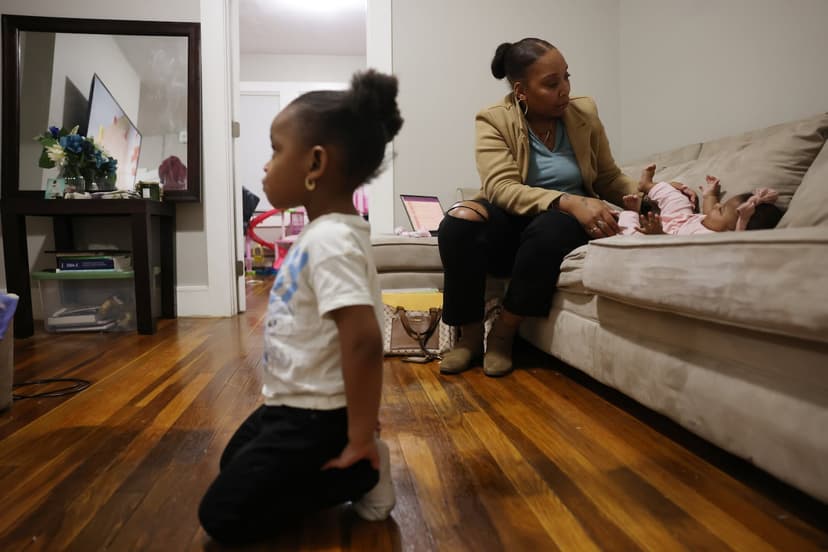
Maternal health in Massachusetts is experiencing a critical downturn, with C-section rates significantly exceeding the World Health Organization's recommended 15-19%. More than one-third of births in the state are now surgical, with a concerning 40% of these occurring in initially low-risk pregnancies. This rise is compounded by the closure of 13 maternity units over the past decade, reducing access to prenatal care and potentially leading to missed diagnoses of high-risk conditions like pre-eclampsia.
Worsening racial and economic disparities are a major concern, with Black women experiencing the highest C-section rates. Patients on MassHealth and those with disabilities also face poorer outcomes. Experts point to hospital culture, financial incentives favoring C-sections, and a shortage of hospital beds as contributing factors to the high surgical birth rates. Mount Auburn Hospital in Cambridge is highlighted as a positive example, demonstrating progress with a patient-centered approach and a high proportion of midwives.
The state's Maternal Health Law, signed in 2024, aims to address these issues by licensing birth workers and expanding postpartum support. However, broader societal factors like racism, discrimination against those with disabilities, and social determinants of health such as nutrition, housing, and transportation continue to impact maternal outcomes. Substance use disorder and mental health are also identified as leading causes of maternal deaths in the postpartum period, underscoring the need for comprehensive support systems.
