Home / Health / Lifelong Exercise Boosts 'Vitality Capacity' in Seniors
Lifelong Exercise Boosts 'Vitality Capacity' in Seniors
22 Sep
Summary
- Lifelong physical activity enhances the body's resilience to stress and illness.
- Study measured 'vitality capacity,' a key indicator of healthy aging.
- Active participants showed higher blood-oxygen saturation than inactive ones.
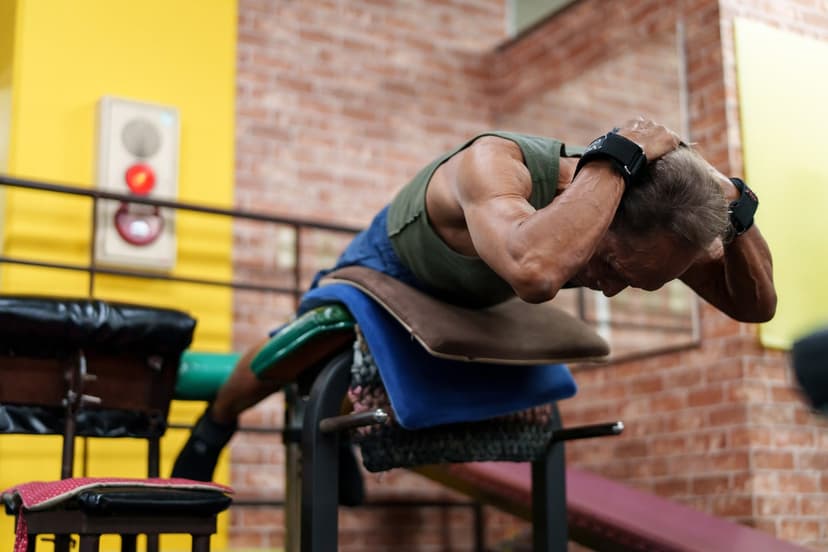
A lifelong routine of physical activity can significantly enhance an older person's ability to respond to stress and illness, contributing to healthier aging. Recent research, conducted with approximately 40 participants in Nice, France, aged around 64, explored the link between consistent exercise and "vitality capacity."
Participants were divided into two groups: nearly half had exercised aerobically at least three times weekly for 30 years, while the other half engaged in minimal activity. Researchers assessed various health parameters, including heart rhythm, muscle strength, blood markers, and lung function, to calculate a "vitality score."
While no major differences were found in energy, metabolism, or nerve and muscle function, the exercising group demonstrated a higher average blood-oxygen saturation (96.8%) compared to the inactive group (94.8%). This suggests that lifelong aerobic activity is linked to a greater physiological reserve, especially in the immune and stress response domains.
Scientists noted that vitality capacity naturally decreases with age, but this decline is less pronounced in individuals who maintained an active lifestyle. The study, published in GeroScience, underscores the importance of lifelong physical activity for healthy aging. Limitations include the small, predominantly healthy, and white participant group, calling for further validation of the "vitality score" and research into optimal exercise types and durations.


