Home / Health / Kitchen Sponges: Hidden Danger Zones
Kitchen Sponges: Hidden Danger Zones
27 Jul
Summary
- Kitchen sponges harbor Salmonella, E coli, and Staphylococcus.
- Bacteria form protective layers, surviving weeks even when dry.
- Sponges can transfer germs to kitchen surfaces with one wipe.
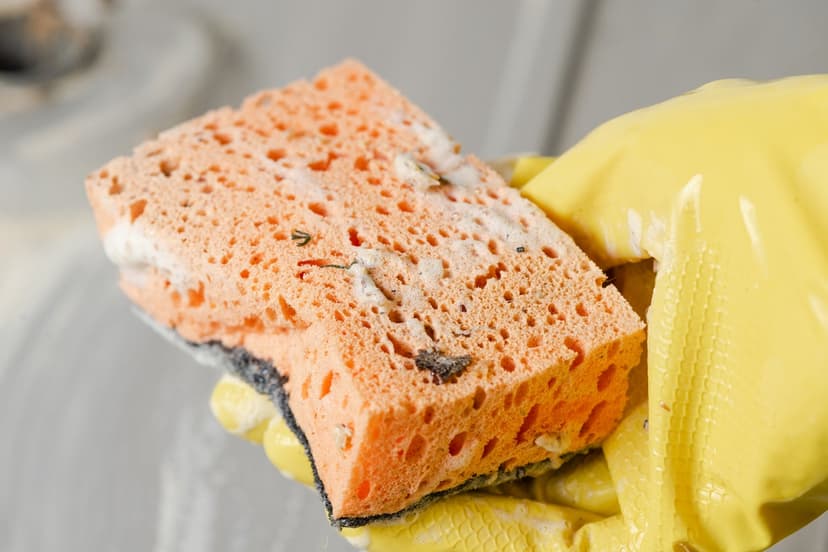
Kitchen sponges, a common fixture by the sink, may harbor dangerous bacteria such as Salmonella enteritidis, E coli, and Staphylococcus aureus. Recent German research has revealed that these food-poisoning bacteria can grow within sponges, forming resilient, sticky layers that are difficult to eradicate. These microbes can survive for at least two weeks, even after the sponge has dried out, posing a continuous infection risk.
The study further demonstrated that germs residing in a sponge can easily transfer to kitchen worktops with just one wipe. While microbiologists have long known about bacterial buildup in sponges, this latest research specifically addresses the potential for infection. It suggests that sponges can act as reservoirs for germs, readily spreading them to new surfaces during cleaning activities.
Disinfection methods like using bleach have shown diminishing effectiveness on older sponges, indicating that well-used items may remain contaminated. The porous structure of sponges retains moisture deep within, creating an ideal environment for bacteria and mold to thrive, especially when combined with residual food traces and the warmth of kitchen sinks. Environmental concerns also surround plastic-based sponges, which are difficult to recycle and shed microplastics.
Researchers have explored alternatives, finding that dishwashing brushes dry faster and carry fewer bacteria than sponges. For those who continue to use sponges, practicing good hygiene is paramount. This includes using paper towels for spills from raw foods and regularly disinfecting sponges, with a recommendation to replace them weekly to minimize bacterial load and environmental impact.


