Home / Health / King Charles: Cancer Journey Redefines Royal Secrecy
King Charles: Cancer Journey Redefines Royal Secrecy
8 Feb
Summary
- King Charles has revealed his cancer diagnosis with unprecedented honesty.
- This openness marks a significant shift from historical royal privacy protocols.
- The King continues public duties, inspiring solidarity and preventative action.
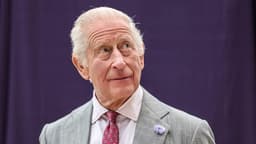
King Charles, 77, has navigated his cancer diagnosis with remarkable openness, a significant deviation from centuries of royal protocol. Unlike his grandfather, George VI, whose condition was shrouded in euphemisms, Charles's diagnosis was publicly disclosed. This marks a new era for the monarchy, moving away from Queen Elizabeth II's preference for discretion.
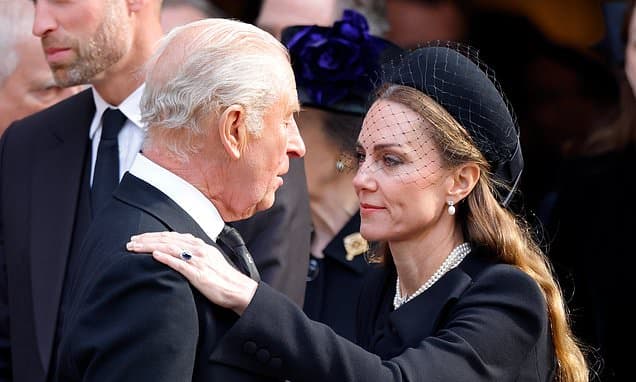
Following his diagnosis in 2024, revealed after treatment for an enlarged prostate, Charles and the Princess of Wales, who is in remission, have shared their experiences. This transparency aims to encourage preventative health measures and solidarity. Both continue with royal duties, with Queen Camilla providing steadfast support, reassuring the public during this period.
The King's announcement on February 5, 2024, generated widespread shock but also a feeling of genuine concern. His treatment schedule was underway, with public-facing duties postponed. Charles remained 'wholly positive,' and Queen Camilla's discretion ensured public-facing engagements continued, maintaining an image of stability.
Charles's experience, including a prior, undisclosed cancer scare, has given him a deep understanding of the disease. Despite frustrations with the timing of his diagnosis so soon after ascending the throne, he has been energized by public support. His decision to share his health updates was driven by 'medical data' and a hope to encourage men to seek prostate screening.
In an unprecedented video message in December 2025, King Charles shared that his cancer treatment would be scaled back, calling his recovery a 'personal blessing.' He stressed the importance of early diagnosis and highlighted the national Screening Checker, urging everyone to play a part in early cancer detection for themselves and loved ones.