Home / Health / Ketamine Bladder Crisis: Young Adults Suffer Severe Damage
Ketamine Bladder Crisis: Young Adults Suffer Severe Damage
15 Jan
Summary
- Young adults in England and Wales see rising bladder inflammation from ketamine.
- Severe ketamine use can lead to irreversible bladder and kidney damage.
- Ketamine bladder damage progresses through stages, potentially requiring bladder removal.
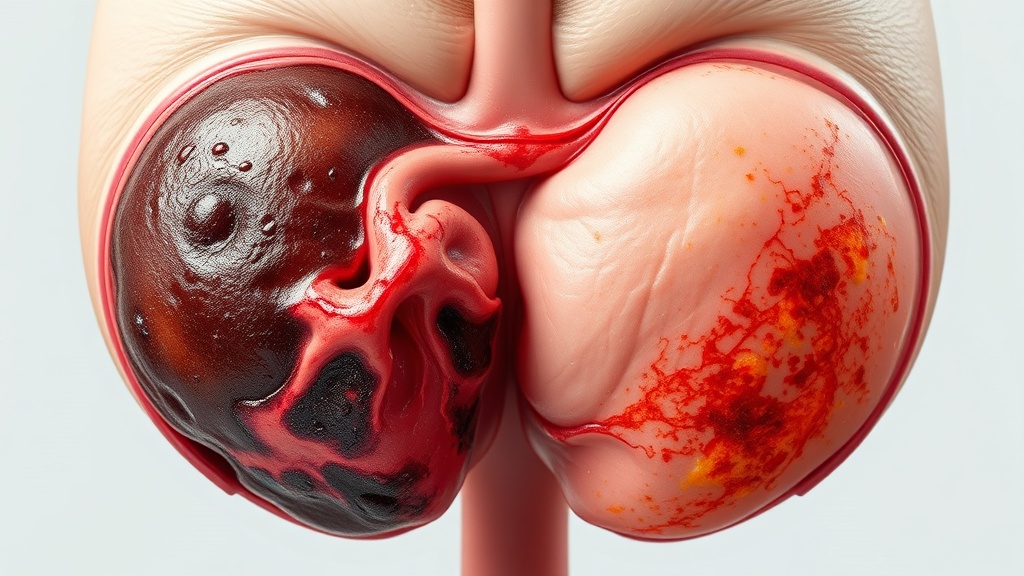
Urology departments across England and Wales have reported a concerning rise in young adults, aged 16 to 24, admitted for bladder inflammation linked to ketamine use. This trend is paralleling a substantial increase in individuals, both teens and adults, seeking treatment for ketamine abuse in recent years. The drug's recreational use, acting as a dissociative hallucinogen, can lead to severe bladder issues.
Frequent and high-dose ketamine consumption is associated with serious damage to the bladder, urinary tract, and kidneys. This damage can manifest in symptoms such as pain, frequent urination, and blood in the urine, potentially becoming permanent. In severe instances, the bladder may require surgical removal. The damage progresses through stages, starting with inflammation that can be reversible, moving to shrinkage and stiffness, and culminating in permanent damage.
Ketamine, classified as a Class B drug since 2014, remains surprisingly affordable and accessible in parts of the UK. The by-products of ketamine metabolism can severely irritate and damage the urinary tract tissues, with the bladder being affected first due to its urine-holding capacity. As the condition advances, kidneys can become compromised, potentially leading to kidney failure and the need for dialysis or surgery.