Home / Health / Insulin Discovery: Nobel Prize for Diabetes Cure
Insulin Discovery: Nobel Prize for Diabetes Cure
11 Oct
Summary
- Insulin discovery revolutionized diabetes treatment.
- Banting and Macleod won the 1923 Nobel Prize.
- Insulin regulates blood glucose levels effectively.
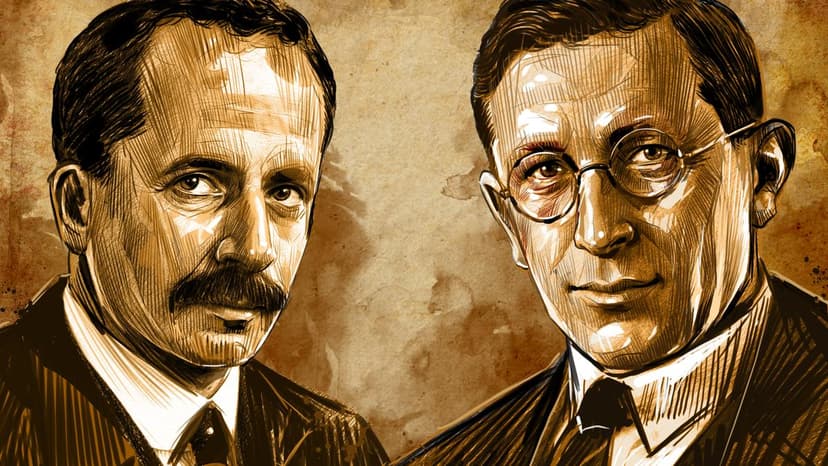
Frederick G. Banting and John J.R. Macleod were awarded the 1923 Nobel Prize for discovering insulin, a hormone crucial for regulating blood glucose. Their research, conducted at the University of Toronto in the early 1920s, led to the development of pancreatic extracts that effectively lowered blood sugar.
Prior to this breakthrough, diabetes often led to fatal outcomes. The Nobel recognition celebrated the establishment of insulin as a life-saving treatment. Key contributions also came from Charles Best and James Collip, who assisted in the isolation and purification processes, respectively.
Insulin's introduction marked a turning point in managing diabetes. It enabled individuals with insulin deficiency to survive and improved metabolic control. While not a cure, insulin therapy transformed a once-fatal disease into a manageable chronic condition.
Modern diabetes care continues to rely on insulin, with advanced formulations developed for varied therapeutic needs. The discovery remains a cornerstone of endocrine disorder treatment, highlighted by World Diabetes Day on November 14, Banting's birthday.


