Home / Health / Slim Bodies, Sick Metabolism: India's Health Crisis
Slim Bodies, Sick Metabolism: India's Health Crisis
4 Sep
Summary
- Lifestyle diseases afflict Indians at younger ages.
- Metabolic issues affect individuals regardless of weight or BMI.
- Dietary shifts and reduced activity accelerate health decline.
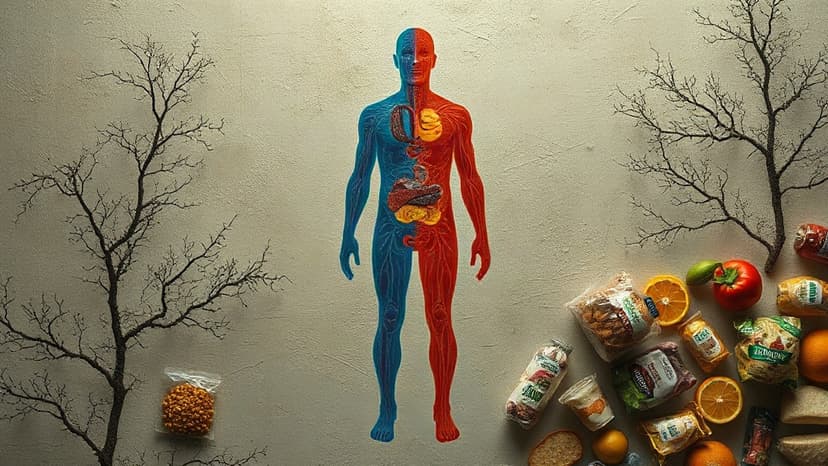
Indians are developing lifestyle-related health conditions, including insulin resistance, type 2 diabetes, fatty liver disease, obesity, and cardiovascular disease, at significantly younger ages compared to Western populations. Health coach Adithya Nataraj emphasizes that these metabolic issues are prevalent even in individuals who appear slim and have a normal Body Mass Index (BMI), indicating that outward appearance can be deceptive regarding metabolic health.
Nataraj attributes this trend to a complex interplay of genetics, environment, and lifestyle. He points to a 'thin-fat phenotype,' characterized by low muscle mass and higher body fat, a result of ancestral adaptations to scarcity now challenged by an environment of constant food abundance and reduced physical activity. This leads to a state of being "overfed and undernourished in a single generation."
The shift from traditional diets rich in whole foods to modern diets high in refined, ultra-processed items, coupled with a decline in everyday movement—like prolonged sitting and reduced walking—exacerbates the problem. Nataraj stresses the critical role of skeletal muscle in glucose uptake, calling it the "glucose vault" that protects metabolism. Neglecting muscle maintenance initiates a metabolic loop of decreased glucose storage, increased insulin, and fat accumulation, accelerating metabolic ageing.
To combat this, Nataraj recommends building muscle through strength training 3-4 times weekly, prioritizing protein intake at every meal (25-30g), aiming for 8,000-10,000 daily steps with post-meal walks, ensuring 7-8 hours of quality sleep, choosing whole foods over packaged snacks, and managing stress through practices like yoga and breathwork.


