Home / Health / India's Diet Crisis: Calories High, Nutrition Low
India's Diet Crisis: Calories High, Nutrition Low
25 Feb
Summary
- Public distribution system prioritizes calories over balanced nutrition.
- Poor nutrition fuels rise in non-communicable diseases like diabetes.
- Public health spending at 1% GDP, far below other nations.
India must reform its public distribution system to close nutrition gaps and shift from treating illness to preventing it. While the current system successfully prevents starvation by providing calories, it neglects essential nutrients like protein and micronutrients, which remain expensive for the poor. This widespread poor nutrition is significantly contributing to the rapid rise of non-communicable diseases, including diabetes, obesity, and hypertension. As of 2026, diabetes prevalence has doubled, with a large portion of the population pre-diabetic.
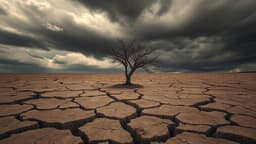
Furthermore, climate change and biodiversity loss pose emerging public health crises. Damage to ecosystems heightens disease risks, and rising temperatures accelerate aging and strain the cardiovascular system. Air pollution, specifically PM2.5, exacerbates these issues by entering the bloodstream and affecting multiple organs. Healthcare costs remain a burden, with out-of-pocket spending at 48%, often leading to debt. Public health expenditure is only 1% of GDP, significantly lower than in countries like Thailand, which achieved better outcomes through political will prioritizing primary care.