Home / Health / India's Health Spend Lags China: Life Expectancy Suffers
India's Health Spend Lags China: Life Expectancy Suffers
30 Jan
Summary
- India spends 3.31% of GDP on healthcare, China spends 5.57%.
- Low public health spending is linked to lower life expectancy.
- Millions are pushed into poverty by catastrophic medical costs.
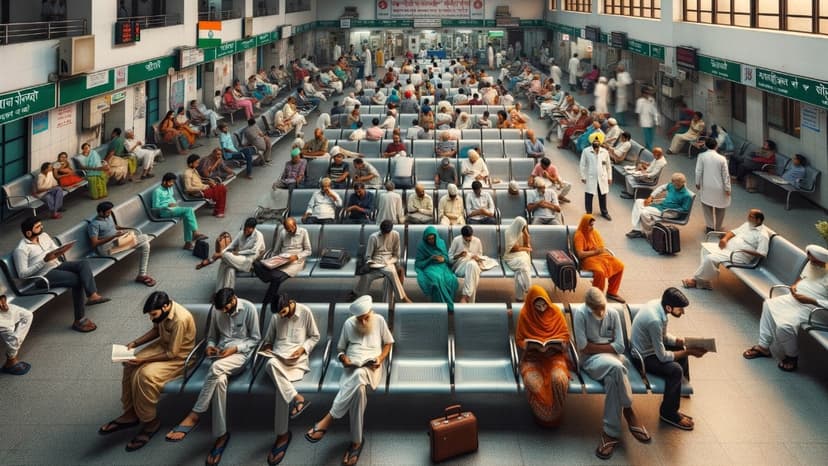
India allocates approximately 3.31 percent of its GDP to healthcare, a figure substantially lower than China's 5.57 percent. This disparity reflects differing national priorities concerning public health.
A significant portion of India's healthcare expenditure, about 1.47 percent of GDP, comes from private spending, rather than government investment. This reliance on out-of-pocket payments contributes to what are often termed catastrophic healthcare costs for families.
Public health experts caution that insufficient government investment weakens healthcare systems, particularly in rural areas, and exacerbates poverty. This is directly linked to reduced life expectancy and higher mortality rates.
Despite the impact of the COVID-19 pandemic, India's health budget has seen only marginal increases, barely keeping pace with inflation. Experts highlight that this underfunding results in poor service quality in public hospitals and widespread medical indebtedness.
Comparatively, Indians live an average of nine years less than Chinese citizens, a difference deemed unacceptable by public health advocates. This gap is attributed, in part, to health being viewed as a technical issue rather than a core political priority.
Research comparing Asian economic powerhouses indicates that sustained economic growth in China has been accompanied by significant healthcare infrastructure investment. India, conversely, has shown slower growth in healthcare capacity, necessitating greater investment to align with its economic development.