Home / Health / India Launches HPV Vaccine: A New Era for Cancer Prevention?
India Launches HPV Vaccine: A New Era for Cancer Prevention?
26 Mar
Summary
- India now offers the HPV vaccine to 14-year-old girls.
- The vaccine targets cervical cancer, a major killer of Indian women.
- Public trust and transparent monitoring are crucial for success.

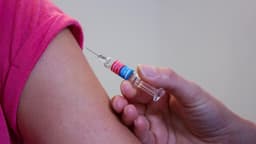
India has initiated a significant public health intervention by incorporating the HPV vaccine into its national immunization program, Mission Indradhanush. Starting March, all 14-year-old girls will receive a single dose of the Gardasil-4 vaccine. This move targets cervical cancer, which causes approximately 120,000 cases and 80,000 deaths annually in India.
Concerns regarding the vaccine's long-term efficacy and potential risks have surfaced, echoing past debates. However, recent studies, including a large Swedish cohort study published in February 2026, indicate substantial reductions in cervical cancer risk, particularly for those vaccinated before age 17.
The program's success hinges on rebuilding public trust, an area that has been challenging due to historical vaccine trial controversies. Transparency in safety monitoring and clear communication of scientific evidence are deemed essential.
Additionally, India's selection of a foreign vaccine over a domestic option has sparked discussion. The Indian Council of Medical Research is evaluating the efficacy of the indigenous Cervavac vaccine, which could potentially be included in the national program if comparable antibody responses are confirmed.
This policy aligns with global health priorities, supported by a $250-million grant from GAVI. Ultimately, the widespread prevention of cervical cancer in India will depend on sustained public confidence, achieved through transparent implementation and ongoing scientific validation.