Home / Health / India Fights Cervical Cancer Amidst Vaccine Concerns
India Fights Cervical Cancer Amidst Vaccine Concerns
15 Mar
Summary
- Nationwide free HPV vaccination campaign launched February 28 for 14-year-old girls.
- Vaccine hesitancy is driven by past controversies with Gardasil.
- Cervical cancer is India's second most common cancer in women.
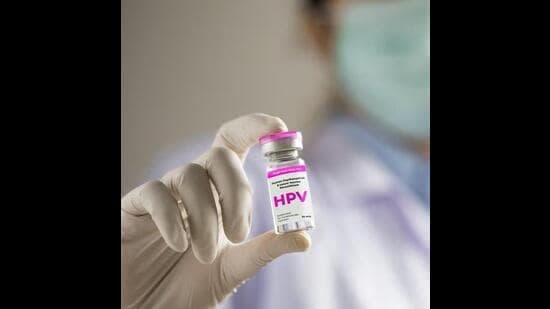
As of March 15, 2026, India is experiencing a renewed effort to vaccinate girls against the Human Papillomavirus (HPV) to combat cervical cancer, which ranks as the nation's second most prevalent cancer among women. A nationwide free vaccination campaign commenced on February 28, targeting 14-year-old girls with the Gardasil vaccine, provided at no cost in government facilities.
However, the initiative faces considerable vaccine hesitancy. This reluctance is fueled by past controversies, including alleged ethical and consent violations found in parliamentary reports regarding Gardasil trials in 2013. Despite the free availability, uptake has been low, with initial response numbers being minimal.
Medical professionals are actively working to debunk misinformation, stressing that HPV is sexually transmitted and the vaccine is most effective before sexual activity begins. Gardasil protects against four HPV strains, including those responsible for 80% of cervical cancers. Regular Pap smear screenings are also recommended for all women, regardless of vaccination status, to detect precancerous cells.
India accounts for a significant portion of global cervical cancer deaths. Health experts recommend the HPV vaccine for girls aged 9 to 14 for optimal antibody response, though it can be administered up to age 45 with reduced effectiveness. The World Health Organization endorses a single-dose regimen. While currently targeting girls in the national program, the vaccine is also available for boys and women over 14.