Home / Health / India's Diabetes Test Flawed? Doctors Raise Alarm
India's Diabetes Test Flawed? Doctors Raise Alarm
9 Feb
Summary
- HbA1c test may not accurately reflect diabetes for Indians.
- Indian doctors advocate for multiple glucose testing methods.
- Anemia and other conditions affect HbA1c accuracy in India.
Leading diabetologists in India have raised concerns that the commonly used HbA1c test may not accurately assess diabetes status or blood glucose control for the Indian population. These experts propose that multiple diagnostic approaches, including oral glucose tolerance tests (OGTT), self-monitoring, or continuous glucose monitoring (CGM), should be employed.
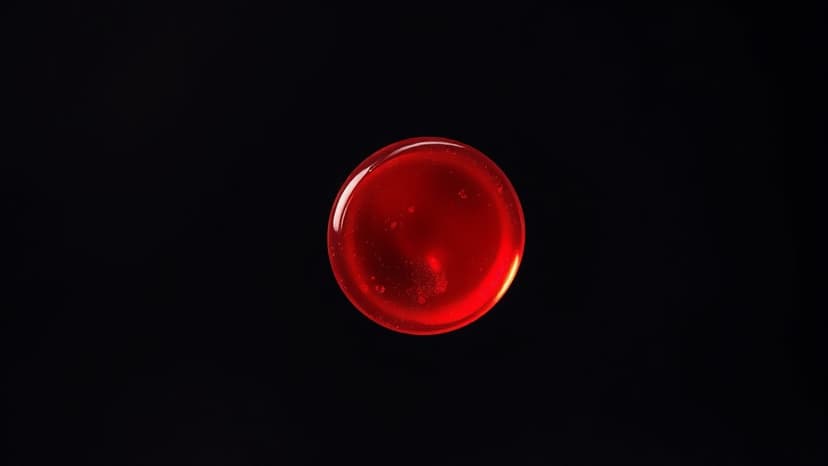
This reassessment is particularly significant given India's status as the 'diabetes capital,' with approximately 101 million individuals living with the condition. Researchers highlight that factors prevalent in India, such as high rates of anemia, hemoglobinopathies like thalassemia and sickle cell disease, and conditions like malaria, can significantly influence HbA1c readings.
These factors affect red blood cell characteristics and lifespan, leading to variations in HbA1c results that may not reflect true glycemic control. While the HbA1c test is convenient and widely adopted globally, its utility in the diverse Indian population warrants careful consideration. The study suggests that frequent self-monitoring of blood glucose levels over time can provide a more reliable picture of an individual's glucose control.