Home / Health / Food Labels Face Delay Amidst Regulator Debate
Food Labels Face Delay Amidst Regulator Debate
16 Feb
Summary
- India's food regulator is developing rules for front-of-pack food labels.
- Debate continues over the best type of label: warning vs. star rating.
- Food industry favors ingredient content labels, but experts doubt effectiveness.
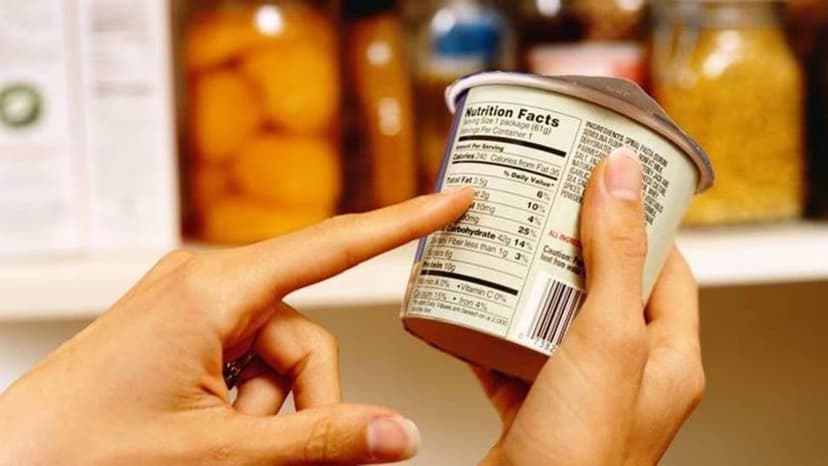
India's apex drug regulator is in the process of finalizing regulations for front-of-pack labeling on packaged foods, aiming to help consumers make healthier choices. For nearly four years, there has been a lack of agreement on the optimal labeling format.
Civil society organizations and activists advocate for science-backed, simple warning labels, similar to those used in other countries. Conversely, the Food Safety and Standards Authority of India (FSSAI) has been promoting an 'Indian Nutritional Rating' system, which assigns star ratings based on nutritional content.
The food industry has proposed labels detailing ingredient content and percentage of recommended daily allowance, which they claim are simpler and less biased. However, an expert committee advised against this, stating there's insufficient evidence of its effectiveness and that such data is already available on the back of packaging.
This discord has stalled the implementation of these labels. Government's Economic Survey has twice recommended front-of-pack warning labels, citing studies that show their effectiveness in discouraging ultra-processed food consumption.
Initiatives for these labels began in 2020, leading to draft rules and expert committee reviews. Despite recommendations for health star ratings from initial studies, later committees noted a persistent lack of stakeholder consensus. International evidence consistently favors warning labels over non-interpretive systems for quick understanding.
Globally, front-of-pack labels are used in 44 countries, with many mandating them. These labels generally fall into interpretive (like warning labels, star ratings) or non-interpretive categories. Countries employ various systems, including health star ratings, traffic light methods, and warning symbols, with warning labels showing significant impact, such as a reported 24% drop in sugary drink consumption in Chile.