Home / Health / India's HIV fight enters new, complex phase
India's HIV fight enters new, complex phase
29 Jul
Summary
- HIV burden shifts to aging population with chronic diseases.
- New HIV transmission hotspots emerge in Northeast and Punjab.
- India leads globally in affordable ARV drug manufacturing.
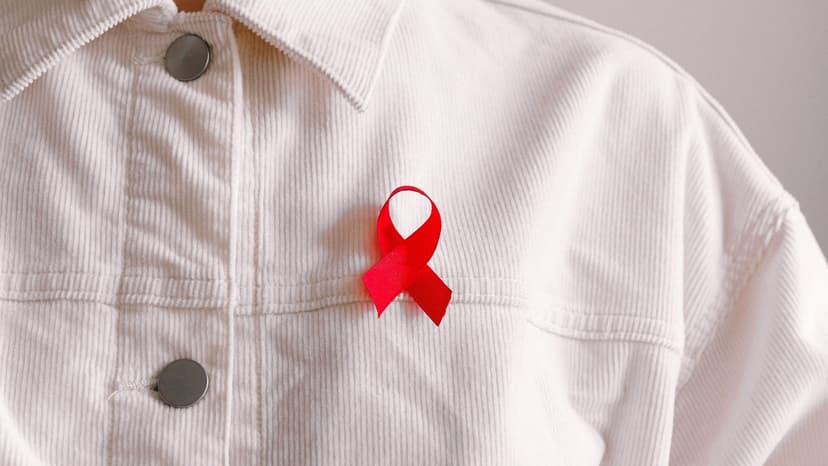
India's HIV response, marked by falling new infections and AIDS-related deaths, is transitioning as its HIV-positive population ages. By the end of 2023, an estimated 2.54 million people lived with HIV, with over a third now over 50, a figure projected to exceed 50% by 2030.
This demographic shift necessitates integrating HIV care with management of age-related non-communicable diseases such as diabetes and hypertension. Concurrently, new HIV transmission hotspots have surfaced in states like Assam, Arunachal Pradesh, Tripura, and Punjab, driven by injecting drug use.
India's contribution to the global HIV agenda is significant, showcasing a sustainable, domestically-funded program. Its pharmaceutical industry, manufacturing approximately 80% of global antiretroviral drugs, is vital for equitable access to treatment and future innovations like long-acting injectables.
While stigma and discrimination persist, legal safeguards exist. The country aims to end AIDS as a public health threat by 2030, emphasizing prevention in hotspots and integrated care models for an aging HIV-positive population.


