Home / Health / India's Digital Health Leap: Who's Left Behind?
India's Digital Health Leap: Who's Left Behind?
10 Jun
Summary
- Over 470 million telemedicine consultations conducted nationwide.
- Rural women face barriers like shared devices and lack of privacy.
- Digital health must complement, not replace, physical health centers.
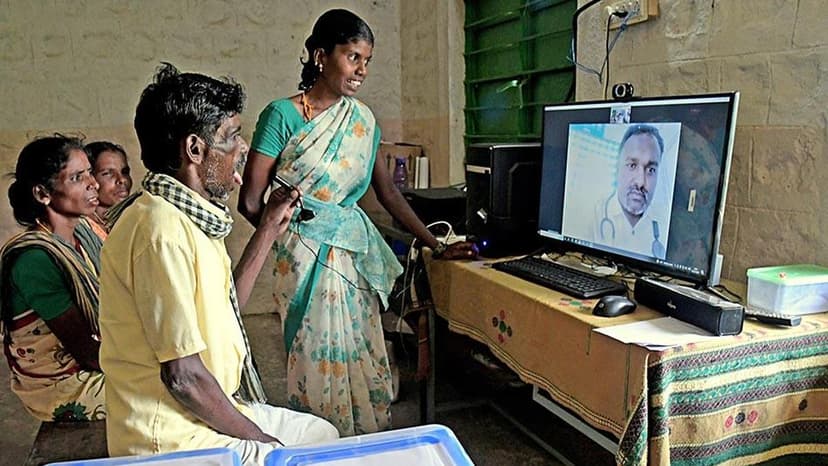
India's eSanjeevani telemedicine service has surged post-pandemic, tallying over 470 million consultations across 1.3 lakh health centers. This digital initiative aims to bridge the gap caused by specialist shortages in remote areas, allowing patients to receive care via mobile devices, thus reducing travel.
Despite its reach, digital healthcare remains inaccessible for many rural women. Barriers extend beyond infrastructure to societal imbalances. Shared mobile device ownership limits privacy, crucial for sensitive health discussions like reproductive choices or abuse. Many women in rural Madhya Pradesh, for instance, lack control over phone usage, with traditions dictating access.
Furthermore, over 93% of eSanjeevani consultations in 2025 were facilitated by health workers, highlighting a reliance on intermediaries. Frontline health workers, including ASHAs and Auxiliary Nurse Midwives, bear the load but face their own challenges like low literacy and inadequate resources.
Telemedicine complements but cannot substitute for physical care, especially for services like scans or emergency deliveries. India must balance digital expansion with strengthening local health centers to avoid widening healthcare disparities. Success metrics should focus on equitable access, privacy, and comprehensive treatment, not just consultation numbers.


