Home / Health / India's Silent Diabetes Crisis: Millions Unaware
India's Silent Diabetes Crisis: Millions Unaware
24 Jul
Summary
- Over half of Indian adults with diabetes are unaware of their condition.
- India faces one of the world's largest diabetes burdens with 77 million adults affected.
- Uncontrolled diabetes significantly increases risks of heart attack, stroke, and kidney failure.
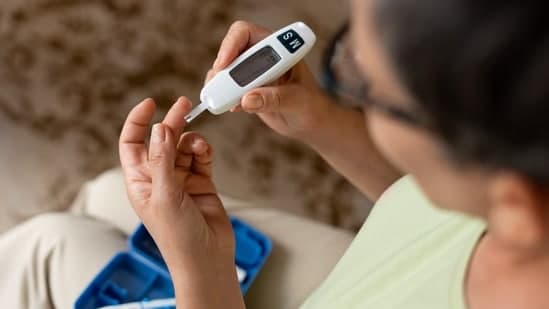
India is grappling with a significant health challenge as uncontrolled diabetes emerges as a major threat. Shockingly, more than half of the estimated 77 million adults living with type 2 diabetes in India are unaware of their diagnosis, according to World Health Organization (WHO) data. This widespread lack of awareness places tens of millions at an elevated risk for severe health issues.
The World Health Organization highlights that India shoulders one of the largest diabetes burdens globally. Beyond the 77 million diagnosed adults, an additional 25 million are prediabetic. Globally, diabetes cases have more than quadrupled since 1990, with low- and middle-income countries experiencing the most rapid increase.
Diabetes, characterized by high blood sugar, can silently damage vital organs over time. This includes a two to three times higher risk of heart attack and stroke, as it's a leading cause of kidney failure and vision loss. Nerve damage and poor circulation can also lead to amputations.
Type 2 diabetes, accounting for over 95 percent of cases, often presents with mild symptoms like increased thirst and fatigue, leading to delayed diagnosis. The WHO strongly recommends regular blood sugar testing for adults, especially those over 30.
While type 1 diabetes cannot be prevented, type 2 is largely manageable through lifestyle changes. Recommendations include regular exercise, maintaining a healthy weight, a balanced diet low in saturated fats and refined sugar, and avoiding tobacco. Early treatment, involving medication, blood pressure, and cholesterol control, alongside regular medical check-ups, is vital for managing the condition and preventing serious complications.


