Home / Health / India's Childhood Obesity Crisis: A Silent Epidemic Grows
India's Childhood Obesity Crisis: A Silent Epidemic Grows
14 Mar
Summary
- India ranks second globally for childhood obesity, with 41 million affected.
- Experts warn of a sharp rise in chronic diseases like type 2 diabetes.
- Nutritional transition and unique challenges exacerbate the crisis.
India is grappling with a significant childhood obesity crisis, as highlighted by the 2026 World Obesity Atlas. The country ranks second globally, with over 41 million children aged 5-19 currently having a high BMI, including 14 million living with obesity. Projections indicate this number could climb to 56 million by 2040.
Nutrition scientist Zeeshan Ali from the Physicians Committee for Responsible Medicine warns that this escalating crisis could lead to a steep rise in chronic diseases traditionally seen in adults, such as type 2 diabetes and cardiovascular conditions. This trend is fueled by rapid urbanization and a nutritional transition where traditional diets are supplanted by processed foods and sugary beverages.
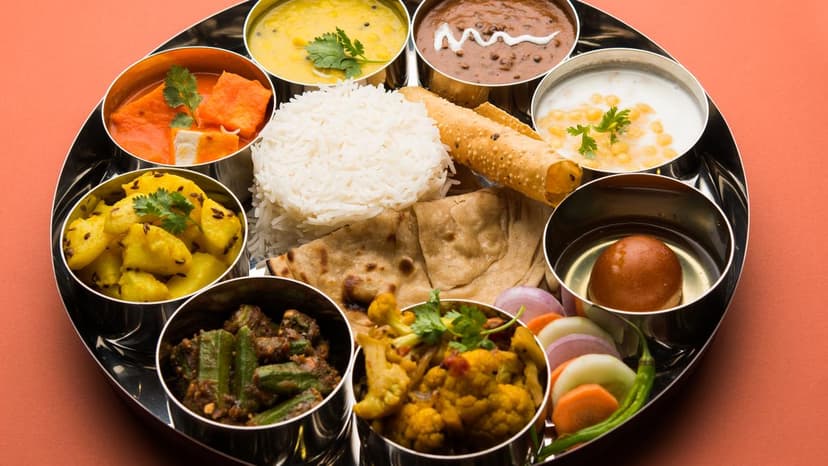
Ali also points to the complex issue of coexisting undernutrition and overnutrition within the population, meaning many children and adults consume excessive calories despite potential hunger or stunting. He advocates for re-emphasizing indigenous foods to counteract the prevalence of refined oils and empty calories in modern diets.
Beyond physical health, the consequences of childhood obesity include significant psychosocial challenges, such as stigma and reduced self-esteem, impacting children's formative years and long-term health trajectories.