Home / Health / India's Organ Donation Paradox: High Intent, Low Action
India's Organ Donation Paradox: High Intent, Low Action
18 Dec
Summary
- Women show greater willingness to donate organs posthumously.
- Men significantly outnumber women among organ recipients.
- Systemic disconnect hinders organ donation execution.
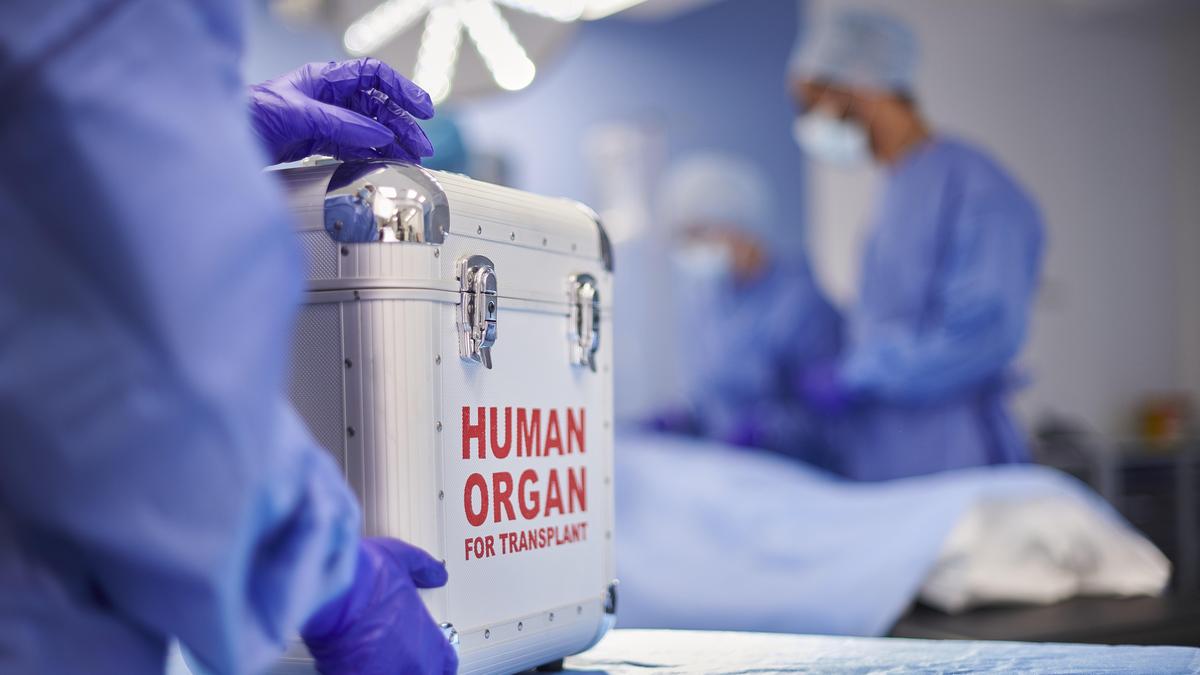
India exhibits a unique organ donation landscape where living donations far exceed deceased donations. Data from 2024 driving license applications reveal a notable trend: women express a higher willingness to donate organs after death compared to men. This sentiment is consistent across major states like Uttar Pradesh and Maharashtra.
Conversely, men significantly outnumber women among organ recipients, a ratio that has persisted over the years. In 2023, nearly 65% of organ recipients were male, with liver transplants showing a staggering 70% male recipients. This disparity may be linked to higher medical needs, as evidenced by more men dying from liver diseases.
While public willingness for organ donation in India is high, translating this intent into action remains a challenge. The success in living organ donations suggests robust medical infrastructure. However, a systemic disconnect between citizen intent and hospital execution appears to be the primary bottleneck, impacting deceased organ donation rates.