Home / Health / India's Oral Cancer Crisis: Habits Drive Epidemic
India's Oral Cancer Crisis: Habits Drive Epidemic
2 Mar
Summary
- India faces a disproportionate burden of oral cancer globally.
- Smokeless tobacco and areca nut chewing drive India's oral cancer.
- Late diagnosis is common, with 70-80% of cases advanced.
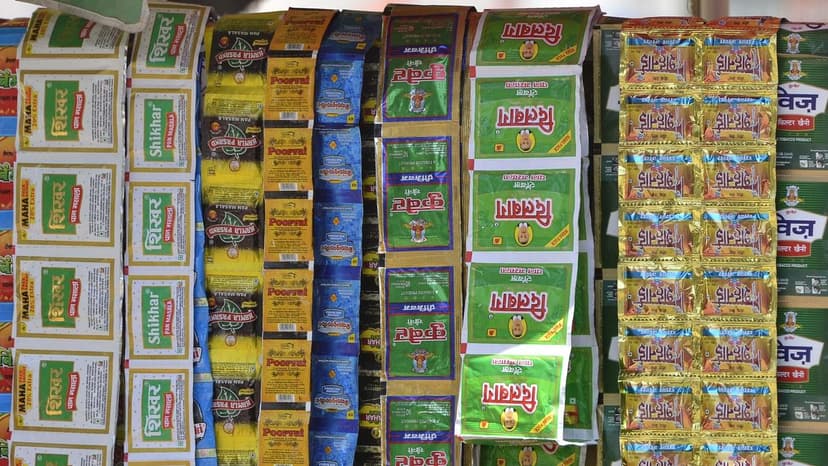
India confronts a significant global burden of oral cavity cancer, accounting for nearly one-third of all worldwide cases. This epidemic differs from Western patterns, being primarily fueled by the prevalent use of smokeless tobacco products, betel quid, and areca nut chewing, alongside beedi smoking.
These deeply ingrained habits contribute to aggressive oral cancers, disproportionately affecting lower socioeconomic groups and increasingly younger individuals due to early initiation of tobacco use. A major challenge remains the late presentation of the disease, with 70-80% of cases diagnosed at advanced stages (III-IV) due to low awareness and inadequate screening.
While prevention is paramount, treatment has advanced with robotic surgery, targeted radiation therapy, precision medicine, and immunotherapy. However, access to these advanced and expensive treatments remains limited in India due to cost and infrastructure constraints. Early detection through opportunistic screening and tobacco cessation programs are crucial, yet face challenges like weak enforcement of bans and cultural acceptance of chewing habits.
Strengthening public health policies, conducting community-based awareness campaigns, and ensuring equitable access to early intervention are vital steps to reverse this preventable epidemic. Educating the public about the severe risks of smokeless tobacco, which can cause cancer much faster than smoking, is essential.