Home / Health / India's Disability Act: 10 Years On, Progress Uneven
India's Disability Act: 10 Years On, Progress Uneven
18 Feb
Summary
- Disability rights shifted from charity to entitlement since 2016.
- Data gaps and implementation lags hinder full accessibility.
- Employment for persons with disabilities remains critically low.
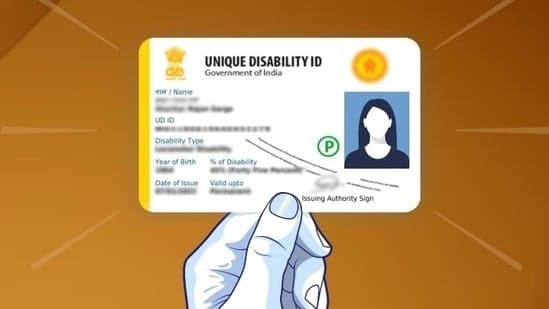
Enacted in 2016, India's Rights of Persons with Disabilities (RPWD) Act shifted the focus from charity to rights and participation. This landmark legislation expanded recognized disabilities and aligned with international standards, promising systemic inclusion. Ten years later, public discourse reflects this rights-based approach, with initiatives like the Unique Disability ID enhancing service access.
However, progress remains uneven. A critical gap is the absence of reliable disability data, hindering evidence-based planning. Despite efforts like the Accessible India Campaign, implementation of retrofitting projects shows significant delays and audit failures. Public infrastructure largely remains inaccessible, posing everyday barriers.
In education, mainstream schools often lack trained teachers and accessible environments, leading to high dropout rates for Children With Special Needs. This impacts future employment opportunities, with persons with disabilities' corporate workforce participation below 1%, primarily in entry-level roles.
As life expectancy rises, disability inclusion is recognized as a core development priority and a driver of economic productivity. The next decade must focus on deepening implementation through data-driven governance, stronger institutions, and partnerships to ensure real opportunity and dignity for all persons with disabilities.