Home / Health / Milk Banks: Lifeline for New Mothers
Milk Banks: Lifeline for New Mothers
6 Jun
Summary
- Human milk banks provide crucial support when mothers cannot breastfeed.
- Donors must be healthy and have excess milk for their own babies.
- Informal milk sharing is not recommended due to safety concerns.
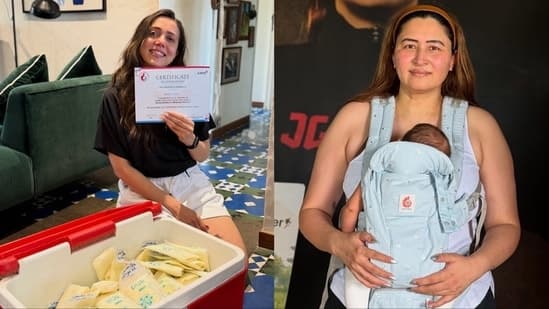
Global health recommendations advocate for exclusive breastfeeding for the first six months. However, human milk banks serve a critical role by providing safely expressed or donor milk when mothers face challenges.
Temporary low milk supply can stem from various factors, including difficult births, stress, and preterm deliveries. In Neonatal Intensive Care Units (NICUs), donor milk fills an essential gap when a mother's own milk is unavailable.
Donors are carefully screened to ensure they are free from infections like HIV and hepatitis B/C, and do not take unnecessary medications. Donation is encouraged only when a mother has a surplus for her own infant.
The milk bank process involves rigorous steps. After screening and informed consent, mothers express milk using sterile pumps. This milk is then pasteurized, tested at each stage, and deep-frozen to guarantee safety and prevent contamination.
Health professionals caution against informal milk sharing via social media, emphasizing the superior safety of certified milk banks. For mothers with oversupply, donation offers physical and emotional benefits, as expressing more milk often stimulates further production.


