Home / Health / Huel: Healthy Fuel or Processed Food?
Huel: Healthy Fuel or Processed Food?
24 Mar
Summary
- Experts question swapping solid food for Huel powder.
- Huel users report severe flatulence and potential gout.
- Company sold for £400m amid safety and suitability questions.
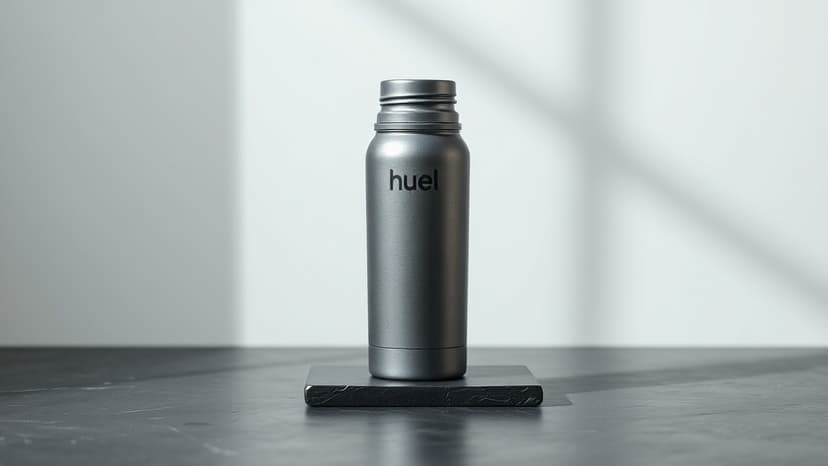
Huel, a popular meal replacement powder launched in 2015, is touted as a nutritionally complete option. Despite its convenience and claims of containing all essential nutrients, experts raise concerns about its highly processed ingredients and whether it's healthy to replace solid foods entirely with powder. Registered nutritionist Rob Hobson suggests Huel should only be a temporary measure, noting that chewing solid food aids in satiety and appetite regulation.
Concerns have also been raised about potential side effects. Some regular users have reported severe flatulence and debilitating gout, possibly linked to the high protein and purine content. Furthermore, charities caution against its suitability for individuals with eating disorders, though Huel states it can be a useful source of nutrition after consulting a doctor.
The company faced scrutiny over lead levels in its Black Edition protein powder, with one report suggesting it exceeded safe daily consumption limits. Huel has refuted these claims, stating its products meet all UK and EU food safety standards and that the report used an overly conservative threshold.
Despite these questions, Huel was sold to Danone for £400m. The brand continues to market its products for busy individuals, offering them in powder, ready-to-drink, and energy bar formats. However, the long-term health implications and the appropriateness of replacing natural food with a manufactured alternative remain subjects of expert debate.