Home / Health / HRT's Hidden Danger: Blood Clots Risk
HRT's Hidden Danger: Blood Clots Risk
24 Sep
Summary
- Oral HRT may increase risk of blood clots in legs and lungs.
- Transdermal HRT does not appear to raise clot risk.
- Absolute risk of clots remains small, benefits often outweigh.
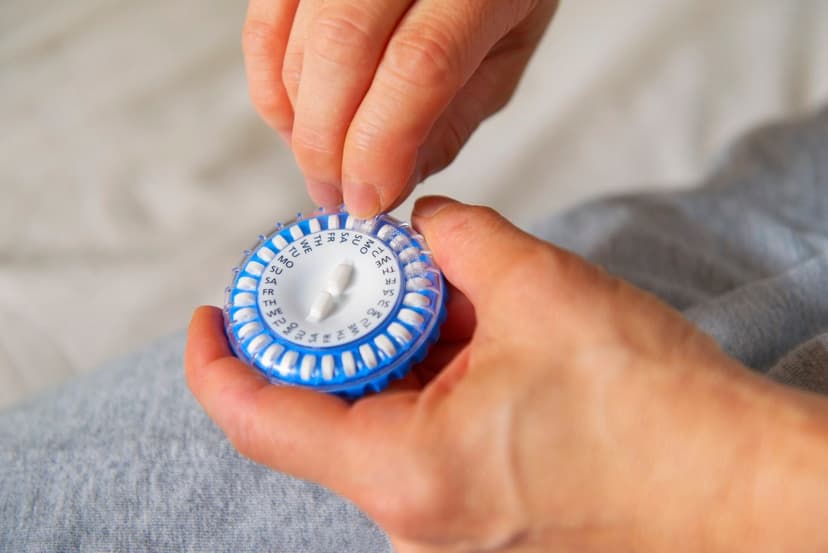
A recent study published in The BMJ suggests that oral hormone replacement therapy (HRT) for menopause symptoms is associated with an increased risk of developing blood clots in the legs and lungs. This association was noted regardless of the specific dose or how long the medication was taken. The research analyzed health data from thousands of women in Denmark.
In contrast, the study found that transdermal HRT, which is administered through the skin via patches, gels, or sprays, did not elevate the risk of blood clots. Researchers highlighted the importance of the delivery route in mitigating such risks. While the findings raise concerns, experts also stress that the overall absolute risk of experiencing a blood clot remains fairly small for most women.
Furthermore, the study indicated a potential link between prolonged use of high-dose oral HRT and increased rates of ischemic stroke and heart attack. However, authors acknowledged that this was an observational study, and definitive cause-and-effect cannot be established. They also noted that the results might not be applicable to more ethnically diverse populations.


