Home / Health / Holi Water Risks: Germs, Chemicals Threaten Health
Holi Water Risks: Germs, Chemicals Threaten Health
27 Feb
Summary
- Contaminated water poses risks of diarrhea, cholera, and typhoid.
- Synthetic colors mixed with water can cause skin and eye irritation.
- Clean water usage and hygiene are crucial for safe Holi celebrations.
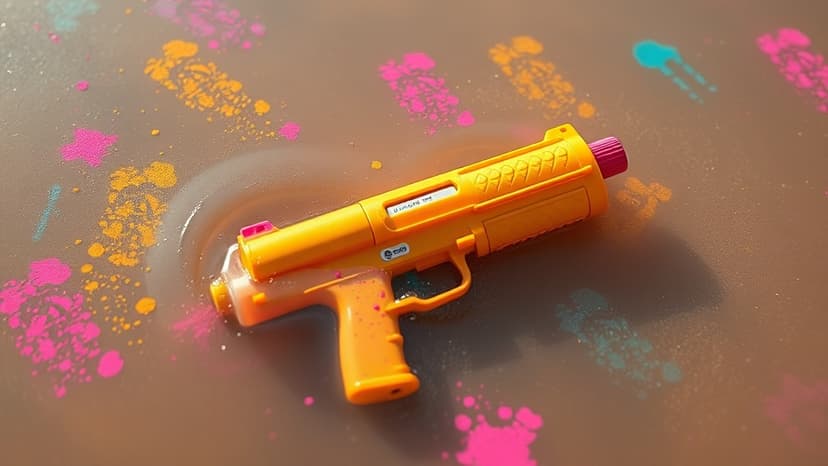
As Holi, the festival of colours, approaches, health experts are raising concerns about the potential risks associated with water-based celebrations. The use of contaminated communal water sources during festivals like Holi can increase the likelihood of water-borne diseases, including diarrhea, cholera, and typhoid, particularly in crowded gatherings. These pathogens can spread rapidly when unsafe water is stored or reused.
Synthetic Holi colors, when mixed with water, may contain harmful chemicals and heavy metals that can lead to skin irritation, eye infections, or gastrointestinal upset if accidentally ingested. Furthermore, reusable water guns and balloons can become breeding grounds for bacteria, posing an elevated risk to children who are more vulnerable to infections and accidental ingestion.
To ensure a safe Holi, experts strongly advise using clean, treated water and avoiding stagnant water sources. It is crucial to refrain from swallowing water during play and to rinse mouths thoroughly afterward. Promptly changing out of wet clothes and practicing regular hand hygiene with soap and water are also essential preventative measures against infections.
Individuals experiencing severe symptoms such as persistent diarrhea, high fever, severe abdominal pain, blood in stools, or signs of dehydration should seek immediate medical attention. Vigilance and simple precautions can help prevent outbreaks of water-borne illnesses and ensure a healthy celebration.