Home / Health / Tenderness & Rage: HIV Activism's Legacy
Tenderness & Rage: HIV Activism's Legacy
29 May
Summary
- Exhibition explores HIV activism's impact on rights and dignity.
- Landmark center provided safe haven and solidarity for those with HIV.
- Act Up campaign successfully lowered the cost of life-saving AZT drug.
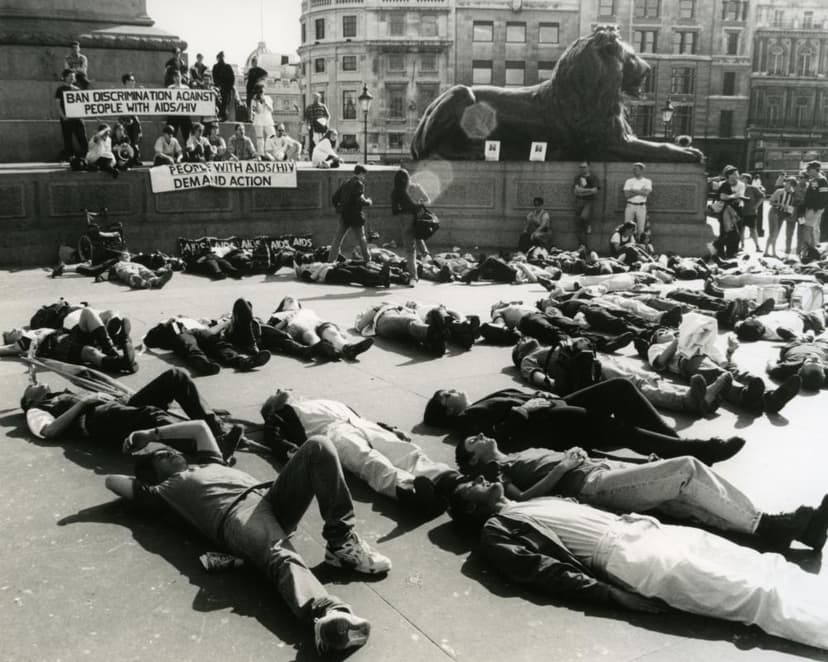
The exhibition 'Tenderness and Rage' at London's Wellcome Collection illuminates the significant role of HIV activism in advancing the rights and dignity of individuals living with the disease. It delves into how various communities, including gay men, women of color, and refugees, found strength and support through activism and care services.
The show revisits the early 1990s Aids epidemic in London, featuring "Dancing Whilst Diagnosed." This documentary highlights the Landmark drop-in center in Tulse Hill, which provided a safe space for individuals, offering not only help with stigma and discrimination but also joy and solidarity through social events.
Marc Thompson, a former service user and HIV prevention worker, shared how the Landmark was crucial for his well-being, allowing him to navigate his diagnosis without fear. He described the exhibition's title as reflecting the dual experience of pain and solace during the epidemic.
The exhibition also addresses the Wellcome Trust's historical involvement with the pricing of AZT, the first successful HIV drug. It details Act Up's campaign, including shareholder Rob Archer's efforts to challenge the pharmaceutical company's pricing policies, which ultimately led to a significant price reduction.
Photographs from Gideon Mendel's series 'The Ward' are presented, offering intimate portraits of four young gay men on hospital wards. These images humanized individuals facing dehumanization in the media and emphasized the importance of emotional support and physical touch in care.
In addition to historical context, the exhibition touches upon contemporary issues, such as Phindile's experience of losing her job as an Aids counsellor in Johannesburg due to funding cuts. Curator Adam Rose aims to connect past and present activism, underscoring the urgency of ongoing HIV advocacy amidst funding reductions.
Art pieces like Angelina Namiba's memory store and hand-stitched fabric vulvas by Catwalk4Power represent the experiences of mothers with HIV and women living with the disease, respectively, promoting body positivity and open dialogue about sexual health.


