Home / Health / Himalayan Salt: Healthy or Hype?
Himalayan Salt: Healthy or Hype?
27 Jan
Summary
- Luxury salts offer minimal mineral benefits despite higher costs.
- Most salt intake comes from processed foods, not table additions.
- Low-sodium salts with potassium can significantly reduce health risks.
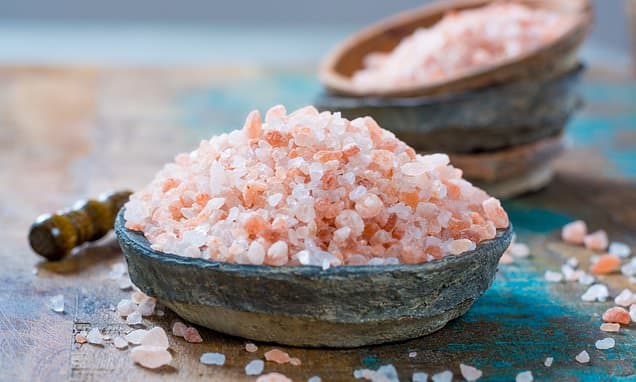
Marketing for products like pink Himalayan salt often highlights its mineral content and natural origin. However, regardless of type or price, all salts are predominantly sodium chloride. While sodium is essential for bodily functions, excess intake significantly raises blood pressure, a dangerous condition often undetected.
Official guidelines suggest a daily intake of 6g of added salt, but average consumption in the UK nears 8-9g, primarily from processed items like bread and ready meals. Despite containing trace minerals, Himalayan salt's nutritional contribution is minimal. In contrast, iodised table salt provides essential iodine, crucial for thyroid health, which is deficient in many populations.
For those seeking to reduce sodium, low-sodium salts blending potassium chloride offer benefits. Studies show these can lower stroke risk by 14% and all-cause mortality by 12%. However, individuals with kidney issues or on certain medications should consult a doctor before switching.