Home / Health / Hidden Drug Crisis: 'Frankenstein' Opioids Underestimated
Hidden Drug Crisis: 'Frankenstein' Opioids Underestimated
9 Feb
Summary
- 'Frankenstein' drugs are synthetic opioids 500 times stronger than heroin.
- Hundreds of deaths may be underestimated by up to a third.
- Post-mortem tests often fail to detect these potent synthetic opioids.
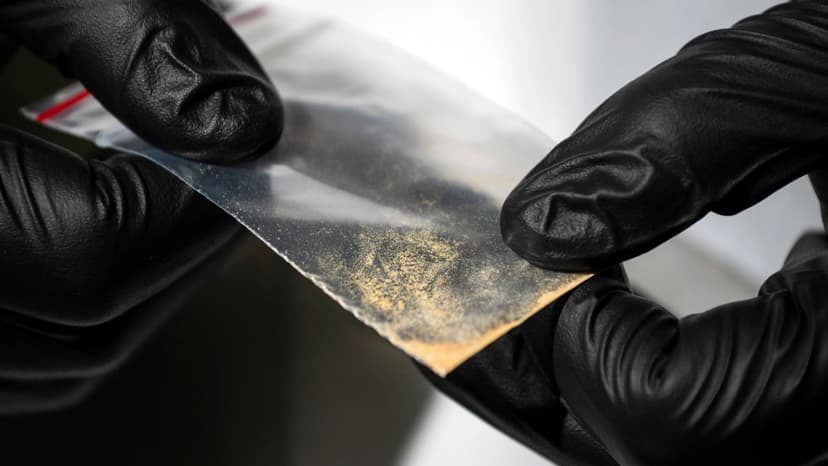
A critical underestimation of deaths linked to potent synthetic opioids, known as nitazenes, is hindering effective public health responses in the UK. These drugs, nicknamed 'Frankenstein' drugs due to their extreme potency, are reportedly 500 times stronger than heroin, with a mere grain capable of causing a fatal overdose. Hundreds of deaths were linked to nitazenes in 2024, but UK researchers warn this figure may be significantly understated.
Research indicates that post-mortem toxicology tests frequently fail to detect nitazenes in blood samples. This is due to their extreme potency and the fact they can degrade into undetectable substances within post-mortem samples. A study simulating real-world pathology conditions found only 14% of the drug remained detectable after a month. This means up to a third of nitazene-related deaths could be going unrecorded, leading to interventions designed for only two-thirds of the actual problem.
Nitazenes were first synthesized in the 1950s as potential painkillers but were never marketed due to overdose risks. Their ease of synthesis and high potency ensure their persistence in the unregulated drug market. As deaths linked to their use surge, UK and international authorities have issued public health warnings. In 2024 alone, the National Crime Agency reported 333 deaths linked to nitazenes, a number KCL researchers believe is a considerable underestimate.
Scientists are now focused on identifying nitazene breakdown products and the conditions under which degradation occurs. This knowledge is crucial for developing more accurate detection methods. By improving surveillance through better science, officials hope to more effectively respond to the crisis and save lives. Overdose symptoms, such as respiratory suppression, can be reversed with the antidote naloxone.