

Home / Health / US Parents Skipping Hib Shots: Rising Risk
US Parents Skipping Hib Shots: Rising Risk
16 Apr
Summary
- Hib vaccination rates in US babies fell between 2019 and 2021.
- Hib bacteria can cause permanent brain damage and death in children.
- Vaccine effectiveness is over 95 percent, but hesitancy is a concern.
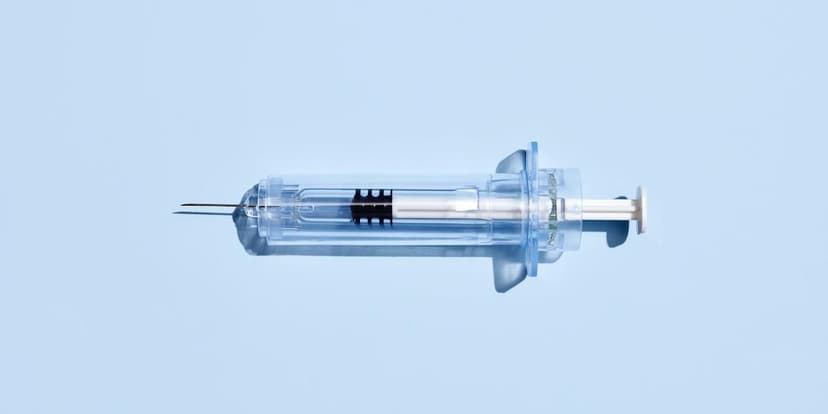
In the U.S., a potentially lethal bacterial disease called Haemophilus influenzae type b (Hib) is causing concern due to a decrease in vaccination rates among infants. Recent government data indicates that the proportion of babies completing the Hib vaccination series declined from 78.8 percent in 2019 to 77.6 percent in 2021.
Hib bacteria, normally found in the nose and throat, can cause serious infections like meningitis, pneumonia, and bloodstream infections, leading to severe outcomes such as permanent brain damage and death, particularly in children. While distinct from the seasonal flu, Hib infections can be fatal, with up to 6 percent of cases in children proving deadly.
The Hib vaccine is highly effective, exceeding 95 percent efficacy, and was instrumental in dramatically reducing disease rates by 99 percent after its introduction. However, a growing trend of vaccine hesitancy is now contributing to a concerning uptick in cases, as highlighted by recent reports of unvaccinated children dying from Hib complications.
Treatment for Hib involves antibiotics, with severe cases requiring additional supportive care. While adults can contract Hib, it poses a greater risk to pediatric populations. Public health recommendations include antibiotic prophylaxis for household contacts of infected individuals, especially for young children and immunocompromised adults.

