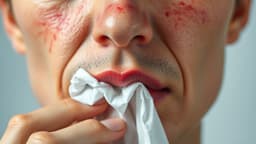
Home / Health / Henna Burn Alert: Hidden Dangers in Dark Dyes
Henna Burn Alert: Hidden Dangers in Dark Dyes
8 Jan
Summary
- Henna's burning sensation can signal an allergic reaction, not just sensitivity.
- Harmful chemicals like PPD in black henna cause severe skin irritation.
- Natural henna is greenish-brown; black henna is jet black and smells sharp.
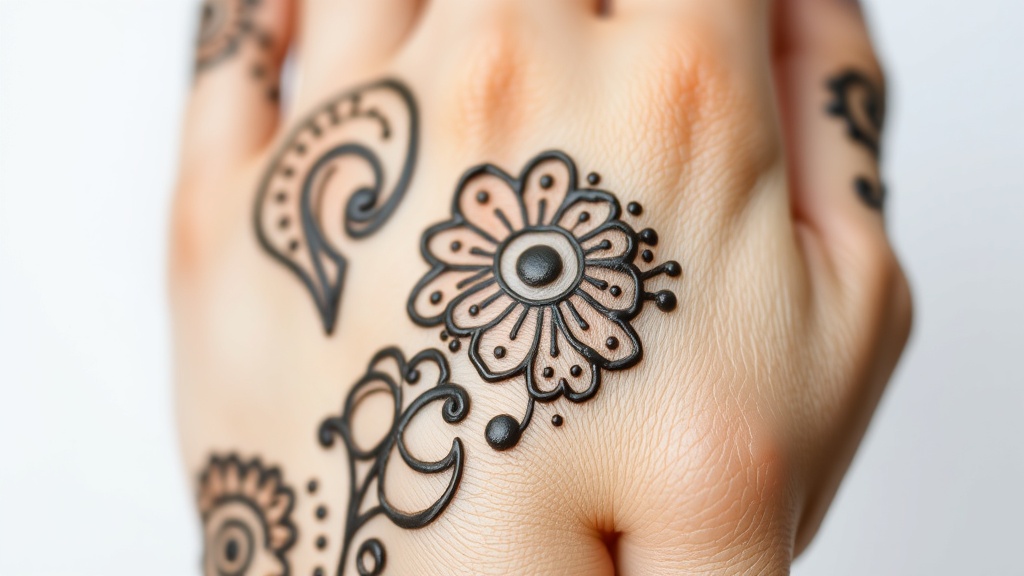
The common practice of applying henna, or mehendi, for cultural festivities can lead to severe skin reactions due to harmful chemical additives. Dermatologists caution that a burning sensation, intense itching, redness, or blistering after henna application is not normal sensitivity but typically an allergic reaction, known as allergic contact dermatitis.
These alarming symptoms are often caused by chemicals added to darken henna's color. Black henna, in particular, may contain paraphenylene diamine (PPD), a potent allergen, along with other hazardous substances like kerosene, gasoline, and heavy metals. Pure henna paste is usually greenish-brown and initially stains the skin orange, gradually deepening to reddish-brown over 48 hours.
If a burning or irritating sensation occurs, immediate action is crucial: wash the area with cool water and mild soap, apply a gentle moisturizer, and use cool compresses. Consulting a dermatologist is essential for proper diagnosis and treatment. Consumers are advised to check henna for its color, smell (earthy vs. sharp), and labels for PPD or other dangerous chemicals.