Home / Health / Nobel Laureate: H. pylori Early Eradication Key to Cancer Prevention
Nobel Laureate: H. pylori Early Eradication Key to Cancer Prevention
4 Oct
Summary
- Early H. pylori eradication is a potential cancer prevention strategy.
- Antibiotic resistance poses a major challenge to H. pylori treatment.
- Confirming eradication is crucial, not just symptom improvement.
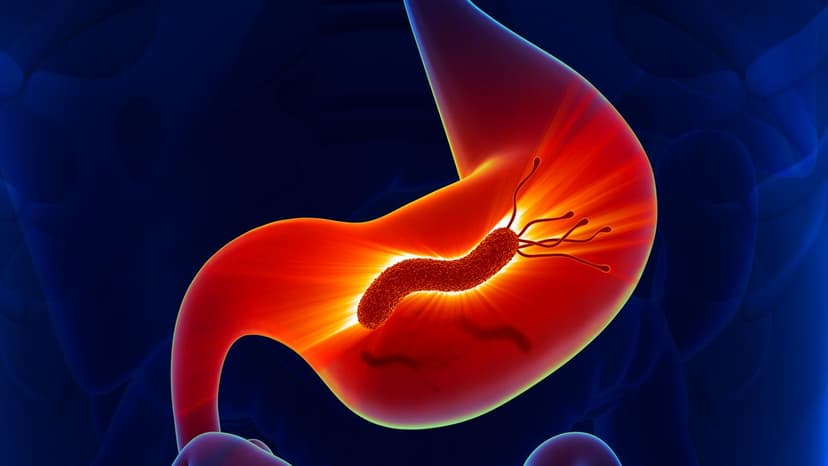
Nobel laureate Dr. Barry Marshall, who discovered H. pylori's role in stomach issues, now highlights its connection to gastric cancer. He explained that prolonged H. pylori infection can lead to chronic inflammation, increasing cancer risk. This presents an opportunity for prevention, as the infection is treatable.
Global efforts are focusing on H. pylori "screen-and-treat" programs for gastric cancer prevention. Dr. Marshall advocates for identifying infected individuals and ensuring they receive effective eradication therapy before extensive stomach damage occurs. However, growing antibiotic resistance is a major challenge, requiring treatment to consider local resistance patterns.
Dr. Marshall pointed out that India, with a high prevalence of H. pylori, is crucial for research on local strains and antibiotic resistance. He also stressed the importance of confirming successful eradication through testing, as symptom improvement alone does not guarantee the bacteria are gone. He has developed PYtest, a 15-minute non-invasive breath test for detecting active H. pylori infections.


