Home / Health / Guinea-Bissau Halts US-Funded Infant Vaccine Study
Guinea-Bissau Halts US-Funded Infant Vaccine Study
7 Feb
Summary
- Newborn hepatitis B vaccine trial suspended amid ethical outrage.
- Danish researchers planned to study 14,000 babies in Guinea-Bissau.
- Concerns raised over withholding vaccines from infants for research.
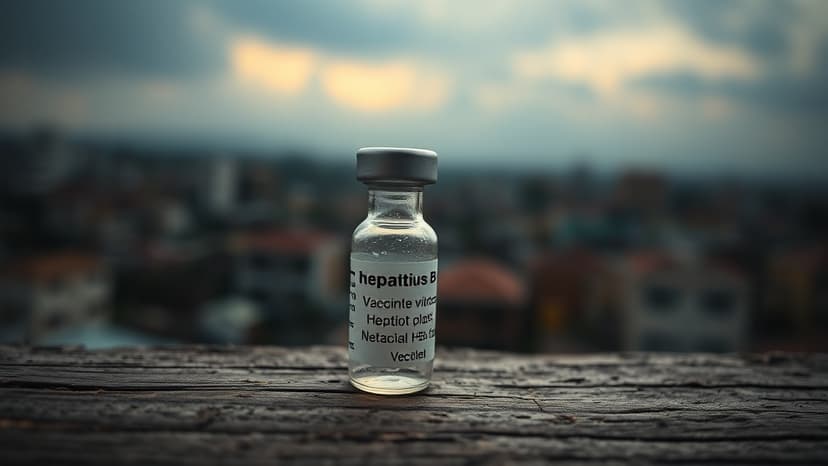
A planned US-funded vaccine trial involving 14,000 newborns in Guinea-Bissau was suspended last month due to significant public and expert outrage over its ethical implications. Danish researchers intended to compare the health outcomes of babies receiving the hepatitis B vaccine at birth versus six weeks later over five years.
Concerns were voiced by international health experts and former Guinea-Bissau health minister Magda Robalo, who stated the study was unethical for withholding a known effective intervention from infants. The national public health institute was reportedly not fully informed, raising questions about regulatory oversight.
The trial, led by scientists from the University of Southern Denmark's Bandim Health Project, has also drawn scrutiny due to past accusations against lead researchers Peter Aaby and Christine Stabell Benn regarding claims about vaccine side effects and selective reporting of study results.
Further controversy arose from the trial's potential link to the US Centers for Disease Control (CDC) under Robert F. Kennedy Jr., with funding of $1.6 million secured. Leaked details suggested the study aimed to explore if the hepatitis B vaccine at birth could lead to skin disorders and neurodevelopmental conditions.
Despite assurances from the researchers that no child would be denied vaccination and that more children would receive it due to the trial, Guinea-Bissau's government suspended the research on January 22, pending a review. The controversy echoes historical instances of unethical medical research in vulnerable populations.