Home / Health / Your backside holds the key to longevity
Your backside holds the key to longevity
24 Oct
Summary
- Glute strength is a surprising indicator of longevity and fall risk.
- The 30-second chair stand test reveals leg strength and balance.
- Simple home tests can assess mobility and predict fall risk.
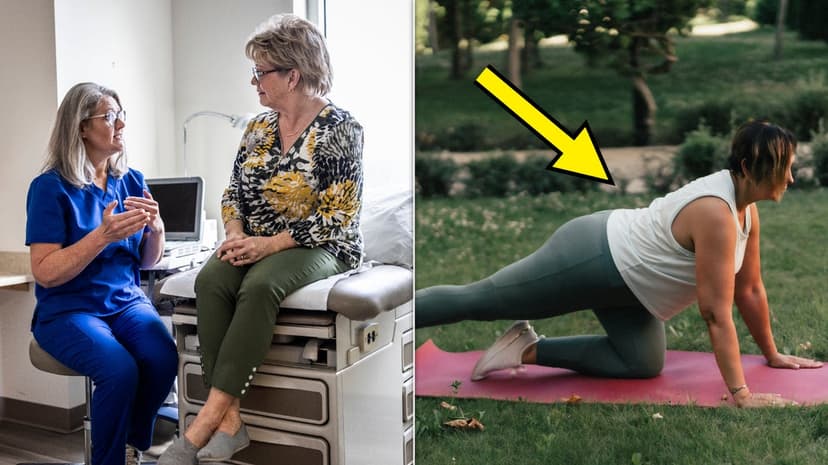
Physical rehabilitation experts are highlighting an unexpected sign of longevity: the strength and functionality of an individual's glutes. More than a quarter of Americans over 65 experience falls annually, often signaling a decline in strength, balance, or mobility. Experts emphasize that legs are crucial for independence, enabling people to stand, stabilize, and maintain an upright posture.
A study in BMC Geriatrics found that individuals who had fallen had significantly more fat in their gluteus maximus compared to those who hadn't. This muscle change may contribute to poorer balance and increased fall risk. A common assessment is the 30-second chair stand test, where individuals try to stand and sit as many times as possible in half a minute. Difficulty pushing off thighs, needing armrests, or dropping quickly into the seat indicates a higher fall risk.
Further tests include getting up from the floor without using hands, balancing on one foot for 10 seconds, and completing a full turn in three to four steps. These assessments reveal mobility and stability issues that might not be apparent during casual walking. Experts encourage regular practice of these exercises at any age, noting that muscle responds well to training, offering a direct way to improve longevity and independence.


