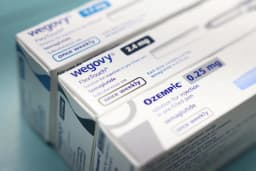
Home / Health / Child Hospitalized After Accidental GLP-1 Overdose
Child Hospitalized After Accidental GLP-1 Overdose
29 Jan
Summary
- GLP-1 overdose calls surged nationally, doubling in Indiana.
- A 7-year-old girl suffered severe symptoms after ingesting medication.
- Experts urge careful storage and proper administration of GLP-1 drugs.
A 7-year-old girl was hospitalized in December 2024 after accidentally ingesting her mother's prescription GLP-1 medication, leading to severe pain and vomiting. This incident highlights a nationwide surge in calls to poison centers regarding GLP-1 overdoses, with Indiana reporting a doubling of cases in 2025 compared to the previous year. These medications, used for diabetes and weight loss, are increasingly prescribed.
Doctors stress that while most GLP-1 overdose symptoms can be managed at home, severe reactions like those experienced by the child can require hospitalization and pose risks such as dehydration and kidney issues. The increase in calls is linked to the wider availability and prescription of GLP-1 drugs like Ozempic and Mounjaro. Experts are advising strict adherence to dosage instructions and secure storage, recommending lockboxes to prevent accidental ingestion by children.
Medical professionals are urging patients to carefully read all instructions, consult pharmacists for demonstrations, and purchase medications only from reputable sources to avoid counterfeit drugs. The incident involving the young girl underscores the potential dangers of these medications when not stored and administered correctly. Her family is now advocating for greater awareness and safer practices.
Overdose symptoms for GLP-1 medications typically manifest as gastrointestinal distress and can last about a week. The National Poison Data System reported a nearly 1,500% increase in GLP-1-related calls since 2019. While most incidents do not require hospitalization, accidental dosing errors, such as taking the medication too frequently or in higher doses, are common. The medications are designed for slow-release, meaning the effects, positive or negative, are long-lasting once administered.