Home / Health / Hair Loss After GLP-1: It's Not the Drugs, It's the Weight Loss
Hair Loss After GLP-1: It's Not the Drugs, It's the Weight Loss
4 Mar
Summary
- Hair loss is a common but temporary side effect of GLP-1 treatments.
- Shedding is linked to rapid weight loss, not the medication itself.
- Nutritional support, especially protein, is key to managing hair loss.
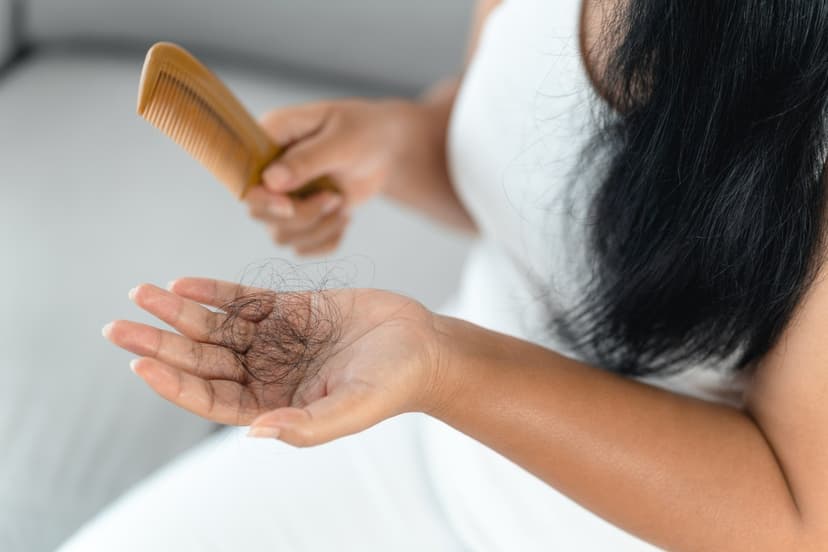
Patients undergoing GLP-1 treatment, such as semaglutide or tirzepatide, may encounter significant hair loss a few months into therapy. Medical experts clarify that this shedding, identified as telogen effluvium, is a temporary response to the body's stress from rapid weight loss. It is not a direct side effect of the medications themselves.
This condition occurs when more hair follicles than usual enter a resting phase due to physiological stress, leading to shedding approximately two to three months later. Nutritional deficiencies, especially low protein, iron, zinc, and biotin, are key contributors. Patients often notice increased shedding between two to six months after starting GLP-1 therapy.
Fortunately, telogen effluvium is generally reversible. Strategies to manage and minimize hair loss include prioritizing high-quality protein intake, considering a multivitamin with essential nutrients, practicing gentle hair care, and aiming for a paced weight loss of one to two pounds per week. Continuing GLP-1 treatment is typically recommended, as stopping the medication will not immediately halt shedding.
Experts advise that hair growth usually normalizes within three to six months as weight stabilizes. If shedding is severe or accompanied by other symptoms like extreme fatigue, consulting a doctor is recommended to rule out other potential causes of hair loss. Supporting the body through nutritional adjustments is crucial for recovery.