Home / Health / GLP-1 Drugs Show No Cancer Risk Reduction
GLP-1 Drugs Show No Cancer Risk Reduction
10 Dec, 2025
Summary
- GLP-1 drugs like Ozempic offer no significant cancer risk reduction.
- 48 trials involving over 94,000 participants were analyzed.
- Longer research is needed to fully understand drug effects.
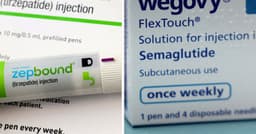
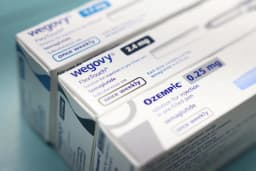
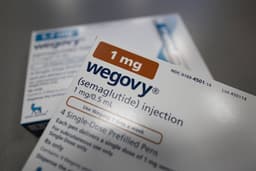
New research indicates that widely used GLP-1 medications, including Ozempic and Zepbound, may not offer the cancer risk reduction that some anticipated. Analysis of 48 randomized trials involving nearly 95,000 adults revealed minimal to no impact on the incidence of 13 obesity-associated cancers.
The findings, stemming from an analysis of over 51,000 individuals taking GLP-1 drugs versus nearly 43,000 on placebo, found no discernible benefit for cancers such as breast, thyroid, or pancreatic types. Researchers suggest these drugs are unlikely to increase cancer risk but cannot confirm a protective effect based on current data.
Experts stress that while reassuring for current users managing weight or diabetes, these findings are preliminary. Many cancers develop slowly, and the study's average follow-up of approximately 70 weeks may not be long enough to ascertain long-term cancer risk, calling for extended clinical trials.