Home / Health / GLP-1 Drugs: Can They Boost Your Bank Account?
GLP-1 Drugs: Can They Boost Your Bank Account?
8 Oct
Summary
- GLP-1 drugs may curb addictive behaviors, influencing financial decisions.
- Wharton researchers will study if GLP-1s reduce risky financial choices.
- The study uses MRI to observe brain reward system responses to financial tasks.
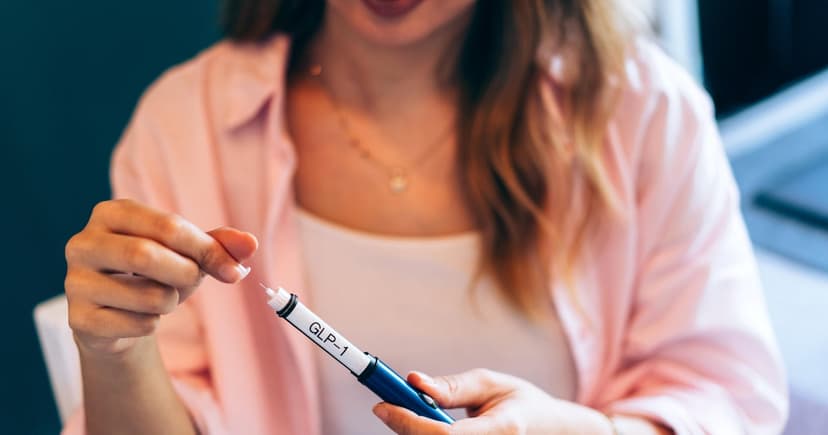
New research from the Wharton School of the University of Pennsylvania is exploring whether GLP-1 drugs, commonly used for weight loss by suppressing addictive behaviors, could also positively impact financial decision-making. Scientists hypothesize that these medications might influence the brain's reward system, potentially reducing temptations for risky financial activities.
Michael Platt, a professor at Wharton, stated that GLP-1s could lead to "structural remodeling of the brain," affecting not only food choices but also financial judgment. This could mean individuals might save more money, benefiting their financial well-being.
A study, set to run from mid-October through March 2027, will involve approximately 180 participants. Researchers will use MRI scans to monitor brain activity as participants engage in tasks related to food and financial decisions, observing responses in the brain's reward network.
The research aims to determine if GLP-1s can help people resist impulsive spending and favor long-term financial goals. Previous research indicated a significant percentage of Americans engage in speculative financial activities, believing them to be more effective than conventional methods.


