Home / Health / GLP-1 Drugs: Cancer's New Foe or Friend?
GLP-1 Drugs: Cancer's New Foe or Friend?
17 Jan
Summary
- GLP-1 drugs show mixed results on cancer risk and survival.
- Some studies link them to reduced risk, others to no effect.
- Experts caution about unknown long-term effects and side effects.
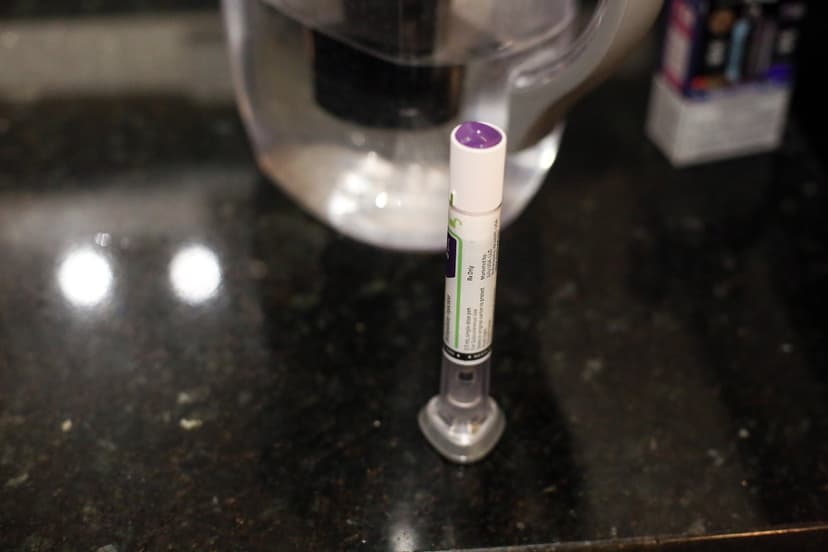
The potential of GLP-1 drugs, widely used for Type 2 diabetes and weight loss, to impact cancer is under intense scientific scrutiny. Early research suggests these medications may reduce the risk of developing certain obesity-associated cancers and improve survival rates for some cancer patients, notably those with endometrial, meningioma, and ovarian cancers. However, findings are not uniform, with some studies indicating no significant effect or even a slight increase in risk for specific cancers like kidney cancer. Ongoing investigations aim to understand the multifaceted ways GLP-1s might influence cancer development and progression.
Large-scale studies have yielded varied results. One analysis of over 1.6 million individuals with Type 2 diabetes indicated a significant reduction in the risk of 10 out of 13 obesity-related cancers when taking GLP-1s compared to insulin. Conversely, a review of 48 trials suggested a minimal impact on the risk of several obesity-related cancers. Furthermore, studies published in July 2025 and November indicated that GLP-1 use was associated with lower mortality rates among older adults with cancer and Type 2 diabetes, and a significantly reduced five-year mortality rate for colon cancer patients.
While the weight-loss aspect of GLP-1s may indirectly lower cancer risk by reducing obesity, experts also theorize that these drugs could help by decreasing inflammation and diabetes risk. Research is ongoing, including studies examining GLP-1s' direct effects on cancer cells. Despite promising early findings, medical professionals stress that these medications are not a standalone solution and require careful consideration due to potential side effects, cost, and the need for lifestyle changes. Consultation with healthcare providers is crucial before initiating treatment.