Home / Health / GLP-1 Drugs Linked to Bone Health Risks
GLP-1 Drugs Linked to Bone Health Risks
2 Mar
Summary
- GLP-1 drugs may slightly increase osteoporosis and gout risk.
- Study analyzed over 146,000 adults with obesity and Type 2 diabetes.
- Rapid weight loss from GLP-1s could impact bone density.
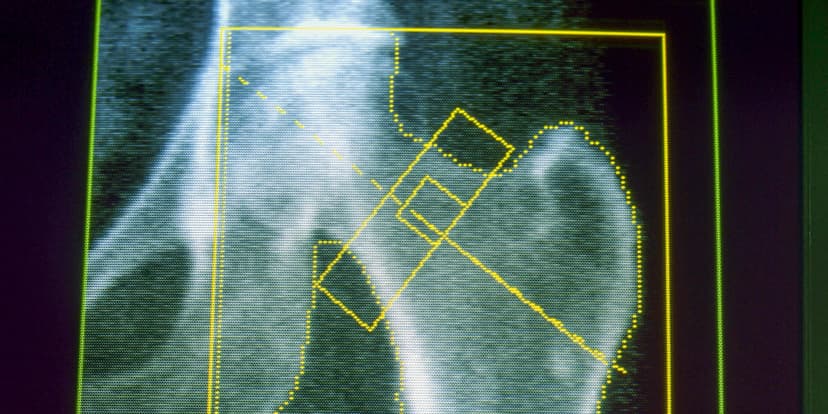
Research presented at the American Academy of Orthopaedic Surgeons' annual meeting indicates that GLP-1 drugs, such as Ozempic and Wegovy, may be associated with a slightly elevated risk of developing osteoporosis and gout. This investigation, which examined medical records of over 146,000 adults diagnosed with obesity and Type 2 diabetes, found a small but notable increase in osteoporosis and gout rates among GLP-1 users.
The study observed about a 30% increased risk of osteoporosis and a 12% increased risk of gout for those taking GLP-1 medications compared to individuals not on these drugs. While the observed risks are not substantial, they warrant further investigation. Experts suggest that the rapid weight loss achieved with these medications, or a potential decrease in nutrient intake due to reduced appetite, could be contributing factors to bone health changes.
While this observational study cannot definitively prove causation, the findings align with other research and FDA labeling for semaglutide, which notes a potential increased risk of bone fractures in older adults and women. Some experts point out that lifestyle factors, such as structured exercise when combined with GLP-1s, may mitigate bone density loss, highlighting the importance of comprehensive obesity treatment strategies.