Home / Health / GLP-1 Drugs: Beauty Shortcut or Health Hazard?
GLP-1 Drugs: Beauty Shortcut or Health Hazard?
8 Feb
Summary
- GLP-1 drugs, developed for diabetes and obesity, are now used for cosmetic weight loss.
- Lawsuits allege severe side effects like colon rupture and vision loss from these drugs.
- Experts warn GLP-1s can trigger eating disorders and lead to muscle/bone density loss.

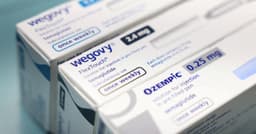
GLP-1 drugs, originally designed to treat type 2 diabetes and obesity, have transitioned from medical necessity to a pursuit of vanity. These medications, including Ozempic and Wegovy, are now commonly used for cosmetic weight loss, despite carrying risks of severe side effects.
Recent legal actions highlight these dangers, with over 4,400 lawsuits filed. Patients report severe outcomes such as colon rupture and complete vision loss, alleging pharmaceutical companies failed to adequately warn them. Common allegations include gastroparesis, bowel muscle failure, and intestinal obstructions.
Beyond physical harm, specialists are increasingly concerned about the psychological impact. GLP-1s may trigger dormant eating disorders or create new ones by chemically suppressing hunger and overriding satiety cues. This trend is reminiscent of the '90s 'heroin chic' aesthetic, now termed 'Ozempic chic.'
Furthermore, rapid weight loss from these drugs is linked to significant muscle loss and reduced bone density, increasing frailty and accident risk. Many users also find they regain weight upon discontinuing the medication, suggesting potential long-term dependence. Public health experts advocate for sustainable wellness through metabolic health, exercise, and mental well-being over pharmaceutical shortcuts.