Home / Health / Glioblastoma Breakthrough: Virus Therapy Offers New Hope
Glioblastoma Breakthrough: Virus Therapy Offers New Hope
27 Feb
Summary
- Experimental virus therapy targets glioblastoma's neural connections.
- Long-term survivors offer crucial insights into cancer's adaptability.
- New treatments aim to disrupt tumor communication and boost immunity.
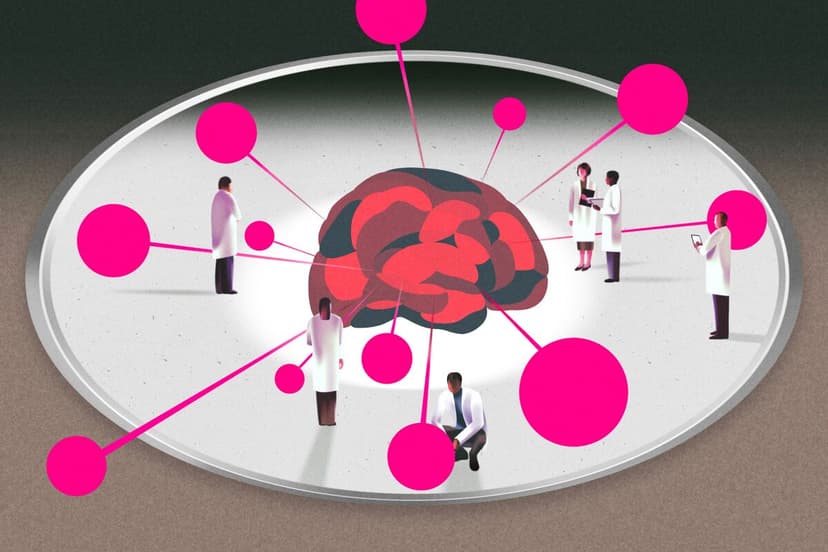
Glioblastoma tumors exhibit a surprising 'intelligence,' connecting to neurons and using electrical signals to grow and evade defenses. Researchers Michelle Monje and Frank Winkler have identified this phenomenon, leading to new treatment strategies that aim to disrupt these neural-cancer links. This discovery challenges traditional approaches to the aggressive brain cancer.
Kyle Donohue, diagnosed in spring 2021 and given a year to live, is a rare long-term survivor. She participated in an experimental herpes virus therapy trial at Dana-Farber Brigham Cancer Center, which has led to her tumor disappearing. Her survival offers critical insights into glioblastoma's adaptability.
German trials are testing drugs like perampanel and meclofenamate to disrupt tumor cell communication and neuron-to-cancer synapses. Another trial combines radiation with senicapoc to target the tumor's 'pacemaker' cells. These efforts could mark a significant advance in glioblastoma treatment, potentially revolutionizing cancer medicine.
Scientists are also exploring the role of a patient's emotional state, with some long-term survivors reporting calm responses and employing relaxation techniques. This aligns with research showing stress hormones can promote tumor growth, suggesting a calmer state might offer a biological advantage.