Home / Health / Genes Accelerate Oral Cancer Risk in Smokeless Tobacco Users
Genes Accelerate Oral Cancer Risk in Smokeless Tobacco Users
30 Nov
Summary
- Certain genes cause oral cancer 10-19 years earlier in tobacco chewers.
- Study analyzed DNA of over 4,400 patients and healthy individuals.
- High genetic risk score combined with tobacco chewing doubles cancer risk.
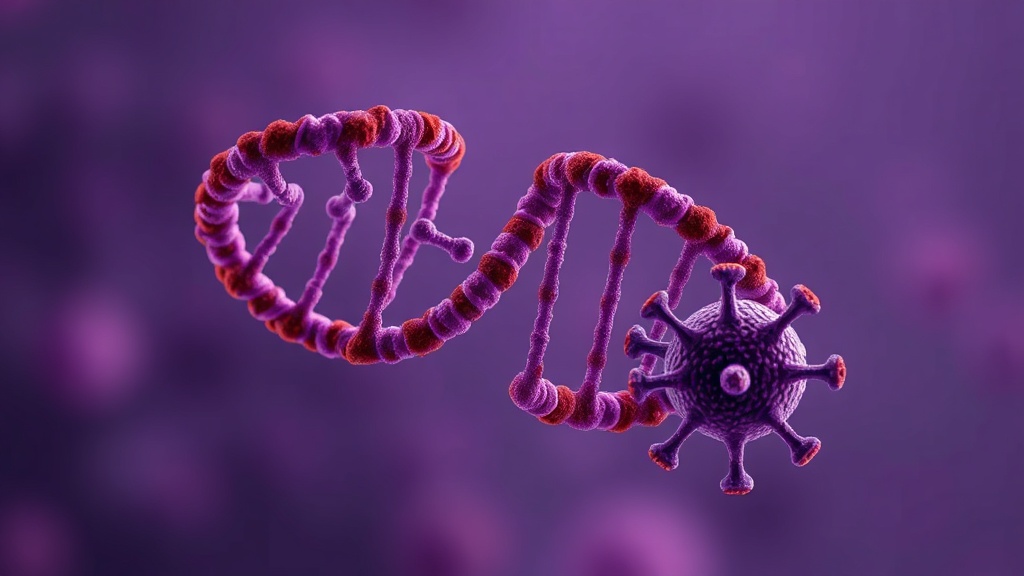
A significant genetic study from India's Tata Memorial Centre has uncovered a crucial link between inherited genes and the early onset of oral cancer among tobacco chewers. The research identified that certain genetic variations can cause individuals to develop buccal mucosa cancer 10 to 19 years earlier than others with similar tobacco-chewing habits.
The extensive study, involving the DNA analysis of 2,160 cancer patients and 2,325 healthy individuals over 11 years, pinpointed specific genetic 'hotspots.' These variations affect how the body processes carcinogens, with mutations near the NOTCH1 gene being particularly concerning for cancer development.
Scientists calculated a polygenic risk score (PRS), showing that high PRS tobacco chewers experienced cancer onset roughly a decade sooner. This finding highlights the critical need for policy action, targeted screenings, and support for high-risk individuals to quit tobacco and prevent the devastating impact of early-onset oral cancer.